Petunias That Keep Blooming

Owen Murphy
| 26-10-2026
 · Plant Team
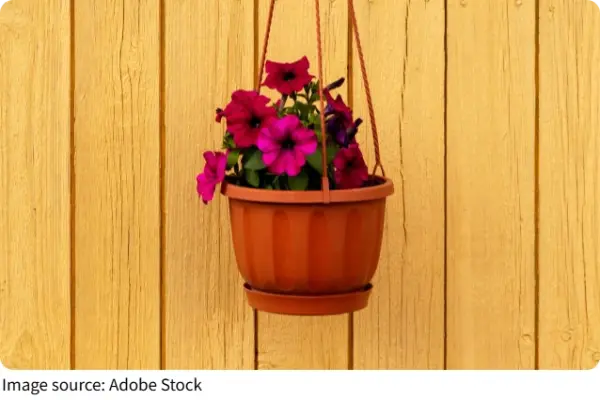
You notice them first in the late afternoon, when sunlight softens and every color in the garden looks richer.
A small cluster of petunias can make an ordinary balcony feel cheerful, almost like someone quietly turned up the brightness of the day.
They're easy to love, but keeping them full and blooming for months takes a bit more intention than just watering and hoping for the best.
Choosing the right variety
Longer blooms, strong growth, easy care
Not all petunias behave the same way. Some stay compact and tidy, while others spill dramatically over containers. Picking the right type at the start saves weeks of frustration later.
1. Look for spreading or trailing varieties if you're planting in hanging baskets or window boxes. These naturally grow outward and create that soft waterfall effect people admire in cafés and public gardens.
How the right blooms can transform any room or occasion instantly
Transform your home instantly with greenery and easy plant tricks
Simple arranging secrets that turn everyday blooms into living art.
Watch How We Make Daffodils Bloom Indoors: Simple Water Cultivation Tips That Work Every Time!
Unlocking the Secrets of the Once-in-a-Decade Blooming Giant Palm
Simple steps to make your blooms stay fresh and colorful longer
2. Choose heat-tolerant hybrids if your outdoor space gets strong midday sun. These are bred to keep flowering instead of slowing down during warm periods.
3. Buy young plants with multiple side shoots instead of one tall stem. More branches early on usually mean more flowers later.
For example, when selecting seedlings at a garden shop, gently check the base of the plant. If you see several small stems instead of one thin stalk, you're likely holding a future mound of color rather than a single fragile bloom.
Planting for nonstop color
Right soil, smart spacing, steady moisture
Planting day quietly determines how long your display will last. Petunias aren't fussy, but they respond quickly to good preparation.
1. Use loose, well-draining potting mix rather than heavy garden soil. Containers without drainage can lead to slow growth and fewer flowers.
2. Space plants so leaves barely touch at planting time. Crowded roots can compete for nutrients and reduce blooming.
3. Water deeply right after planting, allowing excess water to flow out. This settles soil around the roots and prevents dry pockets.
A simple actionable trick: after watering, lift the container slightly. If it feels surprisingly heavy, moisture has likely reached the full depth. If it's still light, add a bit more water slowly until the weight changes.
A simple weekly care routine
Regular feeding, quick trimming, sunlight check
Petunias reward consistency more than effort. A few minutes each week keeps them producing new buds instead of fading early.
1. Feed with diluted liquid fertilizer every 7–10 days. Flowering plants use nutrients quickly, especially in containers where rain and watering wash minerals away.
2. Pinch or trim long stems that look stretched or sparse. Cutting back by a small amount encourages side branches and fresh blooms within about two weeks.
3. Make sure plants receive at least six hours of direct light daily. Less light usually means more leaves but fewer flowers.
Imagine setting a short reminder every Sunday morning: water, feed, snip a few stems, and rotate the container slightly so all sides face the sun during the week. That tiny routine can significantly increase the visible bloom count over a month.
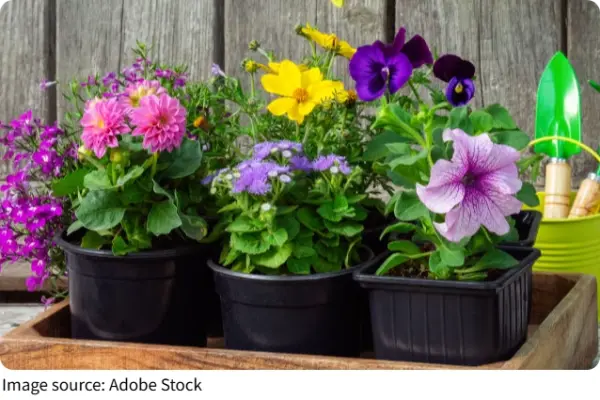
Fixing common problems early
Yellow leaves, few flowers, leggy stems
Even healthy petunias show warning signs when something's off. Catching these signals early keeps the display strong.
1. Yellowing leaves near the bottom often point to overwatering or missing nutrients. Let the top layer of soil dry slightly, then resume balanced feeding.
2. Lots of leaves but almost no blooms usually means insufficient sunlight. Moving the container just one meter toward brighter exposure can restart flowering.
3. Long, thin stems with flowers only at the tips suggest the plant needs trimming. Cutting stems back by one-third may feel drastic, but new growth typically appears quickly.
A practical example: if rain continues for several days and flowers begin to look tired, move the container under light shelter where it still receives brightness. This helps prevent waterlogged roots while protecting delicate petals.
Petunias don't demand perfection. What they offer instead is responsiveness. Give them light, a bit of food, and the occasional trim, and they answer with steady color that stretches across weeks and sometimes months. Watching new buds appear where you trimmed just days earlier creates a quiet sense of progress—small, visible proof that care, even in tiny amounts, changes what grows around you.