Is Your Ceramic Safe?

Mukesh Kumar
| 20-05-2026
 · Lifestyle Team
Hey Lykkers! Ceramic tableware, with its rich history and colorful patterns, is often a beloved choice for dining.
From dinner plates to mugs, these pieces add beauty to our meals.
However, concerns have arisen regarding the safety of certain ceramics, especially when it comes to the potential toxicity of glazes, pigments, and other materials. So, is patterned ceramic tableware really toxic? Let’s find into the details!
1. The Role of Glazes and Pigments in Ceramic Tableware
Glazes used in ceramic tableware are responsible for the shiny, smooth surface we associate with fine dinnerware. Historically, some glazes contained lead or cadmium, toxic heavy metals that can leach into food when exposed to heat or acidic substances. This is particularly true for older, vintage ceramics and those made in certain countries with less stringent regulations.
Flat Or Fluffy? Quiet Or Sparkly? Unbox Tricks That Make Every Gift Feel Like Gold!
Transform your space into the ultimate cozy tea haven with these simple, stylish decorating tips! Ready to relax?
One overhead light is ruining your room — here's the layered lighting system that designers actually use.
How do binoculars turn faraway views into clear, stable, and natural images that you can easily see and enjoy every day?
Creative ways to design your living spaces for style, comfort, and functionality
From Cramped to Calm: How to Live Large in a Small Apartment With Smart Design and Storage
Modern ceramic manufacturers have largely moved away from using such harmful substances. Today, many ceramics are made with lead-free and cadmium-free glazes, especially those sold in the United States and European Union, where regulations are strict. However, the potential for toxicity still exists if the tableware is not properly regulated or if it's imported from countries with looser safety standards.
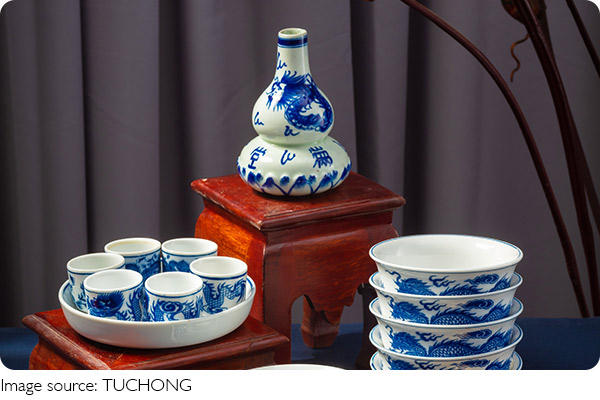
2. What’s the Risk with Patterned Ceramics?
Patterned ceramics often feature vibrant designs and colors, which are achieved using various pigments. The safety of these pigments is a valid concern, especially if they are not food-safe or contain hazardous materials. In many cases, the patterns are applied through painting or decals, which are often baked onto the ceramic surface.
While most modern ceramic manufacturers use non-toxic, food-safe pigments, there are instances where certain decorative elements may still contain lead or other dangerous substances. This is especially true for cheaper, mass-produced ceramics, particularly those from manufacturers outside regulated markets.
For example, some bright red, yellow, and orange patterns are created using cadmium-based pigments, which can be harmful if they migrate into food. If these ceramics are used for cooking or storing food, particularly hot or acidic items, the risk increases.
3. Are Ceramic Tableware Regulations Enough?
In countries like the United States, the FDA regulates the materials used in food-contact items, including ceramic dinnerware. These regulations set limits for the amount of lead and cadmium that can be present in tableware and require testing to ensure that ceramic products are safe for food contact. Similarly, the European Union has strict guidelines governing the use of harmful substances in ceramics.
Despite these regulations, it's important to note that enforcement can vary, and not all manufacturers may comply with these standards, especially when products are imported from regions with less oversight. To ensure safety, always purchase ceramics from reputable brands and check for labels indicating that the product meets local safety regulations.
4. How to Ensure Your Ceramic Tableware is Safe?
If you’re concerned about the safety of your patterned ceramic tableware, there are steps you can take to minimize the risk:
Check the Label: Ensure the tableware is labeled as lead-free and cadmium-free. Reputable manufacturers often provide this information on packaging or their websites.
Avoid Vintage or Antique Ceramics: While vintage ceramics can be beautiful, they may contain harmful materials, especially if they were made before the 1970s. These older pieces may not meet modern safety standards.
Test Your Tableware: If you're unsure about the safety of your ceramics, there are home test kits available that can detect the presence of lead and cadmium. Alternatively, you can send items to a laboratory for professional testing.
Use Caution with Decorative Items: If you have ceramics with intricate, brightly colored patterns, avoid using them for high-temperature cooking or for acidic foods like tomatoes or citrus, as these can increase the risk of leaching.
5. The Verdict: Is Patterned Ceramic Tableware Toxic?
In general, patterned ceramic tableware made with modern materials and manufacturing processes is safe for use. However, older ceramics, products from unregulated markets, or those with certain pigments may pose risks. By purchasing from reputable sources, being cautious with older or vintage items, and checking for safety certifications, you can significantly reduce the chances of exposure to harmful substances.
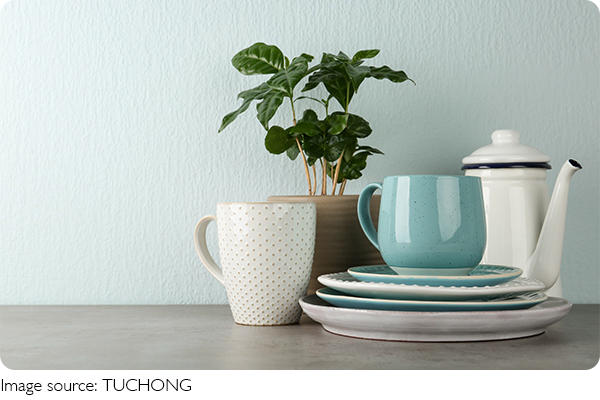
Now Lykkers, it’s important to know that patterned ceramic tableware isn’t inherently dangerous. In fact, most modern ceramics are perfectly safe. The key is to stay informed and make thoughtful choices. By purchasing from trusted brands, reading labels, and staying cautious with older items, there’s no need to worry about potential toxicity.
Keep these tips in mind, and enjoy your beautiful, safe ceramic pieces with peace of mind! Here's to brightening your table with designs that are both lovely and safe!