Blood Glucose Tracking

Mukesh Kumar
| 03-07-2026
 · Information Team
Have you ever noticed a sudden wave of fatigue after eating, only to assume it is just a busy day catching up with you?
In reality, those energy changes are often linked to shifts in blood glucose levels that many people do not notice in real time. Whether someone is managing diabetes, has prediabetes, or is simply aiming for better metabolic stability, tracking blood glucose turns invisible body processes into clear and readable patterns.
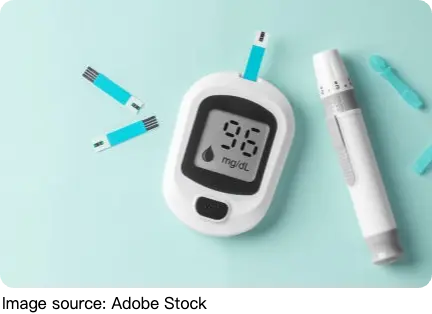
With modern tools such as blood glucose meters and continuous glucose monitoring systems, people can observe how meals, sleep, stress, and physical activity influence internal balance with greater clarity.
What Blood Glucose Tracking Measures
Blood glucose tracking measures the amount of sugar circulating in the bloodstream at specific times, reflecting how the body processes energy. These levels change continuously depending on food intake, hormonal activity, physical movement, and emotional stress.
Inside Crypto’s Hidden Risk Pyramid: Why Most Investors Are Climbing Blind!
The Untold Budget Challenge Behind the Low-Carbon Future
Quick, practical strategies to eat well on hectic days—no fuss, no guilt, just smarter habits that stick.
Can one simple meal do more? Add color, protein, and flavor fast!
What If Bitcoin's Four-Year Cycle Is a Myth? Investors Need to See This!
Outdoor life vs indoor safety? The truth about feline well-being is complex!
After consuming refined carbohydrates such as white bread or sugary drinks, glucose levels may rise quickly before gradually returning to baseline. In contrast, meals rich in fiber, protein, and healthy fats usually lead to slower and more stable increases. Continuous glucose monitoring systems record readings at regular intervals, producing detailed patterns that single measurements cannot show. This helps reveal not only what changes occur, but also when and why they happen.
“Results automatically update every few minutes and constantly change in response to your meals, physical activity, and other daily routines.” — Centers for Disease Control and Prevention.
Early Detection of Metabolic Imbalances
One of the key benefits of glucose tracking is the early identification of metabolic irregularities before noticeable symptoms appear. Many individuals with prediabetes experience no clear warning signs, even though their glucose responses may already be unstable.
Repeated patterns such as elevated fasting levels or prolonged post-meal increases may indicate reduced insulin sensitivity. Regular monitoring allows these patterns to be recognized earlier, supporting timely lifestyle adjustments. Instead of relying only on occasional laboratory tests, ongoing tracking provides continuous insight into how the body responds over time.
Smarter Food Choices Based on Personal Response
Blood glucose tracking helps individuals understand how their own body responds to different foods. Instead of depending only on general dietary guidelines, people can observe direct feedback from their own metabolic responses.
For example, one person may experience stable glucose levels after eating whole grains, while another may notice noticeable increases from similar portions. Combining carbohydrates with protein or fiber may help reduce sharp rises, while processed foods often lead to faster fluctuations followed by energy drops. Over time, this information supports more personalized and informed food choices.
Supporting Energy Stability and Weight Management
Stable blood glucose levels are closely connected to steady energy and appetite regulation. Rapid increases and decreases in blood sugar can trigger hunger signals that may lead to overeating or frequent snacking.
By observing these patterns, individuals can adjust meal composition to help maintain more stable energy levels. Combining carbohydrates with protein or healthy fats can slow absorption and reduce sudden fluctuations. Regular physical activity can also support more balanced glucose responses and improve overall energy consistency throughout the day.
Improving Health Monitoring and Decision-Making
Blood glucose tracking provides structured and objective data that helps improve communication with healthcare professionals. Instead of relying on memory or occasional tests, long-term trends show how the body responds under different conditions.
This is especially important for individuals who require close monitoring of glucose levels, as patterns over time help guide more accurate and personalized health decisions. Even for general wellness, tracking glucose patterns can help identify risk factors earlier and support more informed lifestyle adjustments.
Step-by-Step Guide to Effective Blood Glucose Tracking
Step 1: Choose a Monitoring Method
Select either a traditional blood glucose meter for periodic measurements or a continuous glucose monitoring system for real-time tracking.
Step 2: Measure Fasting Levels
Check glucose levels in the morning before eating to establish a baseline reference point.
Step 3: Monitor After Meals
Measure glucose approximately one to two hours after eating to understand how different foods affect the body.
Step 4: Record Daily Influences
Track sleep quality, stress levels, physical activity, and meal composition, as these factors can influence glucose changes.
Step 5: Review Weekly Trends
Focus on overall patterns rather than individual readings, as long-term trends provide a clearer understanding of metabolic behavior.
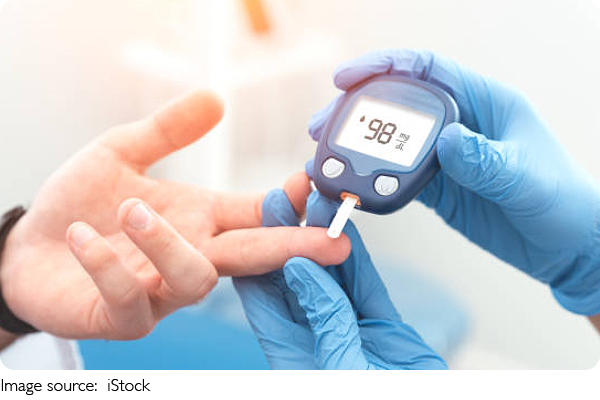
Tracking blood glucose is more than a medical habit—it is a practical way to understand how daily choices influence internal balance. From identifying early metabolic changes to improving nutrition and supporting stable energy levels, it provides valuable insight into overall health patterns.
By consistently observing trends and making informed adjustments, individuals can develop a clearer awareness of how their body responds over time, leading to more balanced and sustainable lifestyle choices.