Books as Warm Decor
Amit Sharma
| 08-07-2026
 · Lifestyle Team
Books can make a room feel warmer, smarter, and more personal, but they can also look forced when arranged only for display.
For Lykkers, the best book styling feels relaxed, useful, and quietly expressive.
The goal is not to prove how cultured you are. It is to let books bring color, texture, memory, and character into your space while still feeling natural.
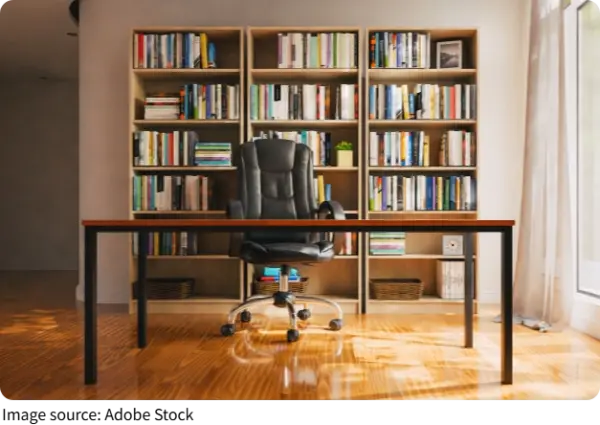
Make Books Feel Lived-In
Books work best as interior accents when they look connected to real life. A room feels more inviting when books suggest curiosity, comfort, and daily use, not a showroom trying too hard.
Choose books you actually enjoy
Start with books that mean something to you. They can be novels, travel books, art books, cookbooks, design guides, poetry collections, photo books, or childhood favorites. The point is simple: when someone asks about a book, you should have a real reason why it is there.
How to organize your home so it stays genuinely tidy and actually looks good doing it, every day.
How to Mix Patterns Like a Designer: Color, Scale, and Styling Tips for Every Room
How the spaces we inhabit shape our thoughts, feelings, and actions every day
How to Create a Reading Nook That Actually Makes You Want to Sit and Stay
The Secret to a Cozy Home Isn't Decor—It's Layered Lighting Done Right
Color, mirrors, and smart decor tricks that make any small room feel twice as spacious without moving a wall.
This instantly removes the pretentious feeling. A stack of random impressive-looking books may seem stiff. A few books with personal meaning feel much more charming. Even a worn paperback can look better than a perfect glossy book nobody touches.
Try sorting your books into three groups: loved, useful, and beautiful. Loved books carry memory. Useful books earn their place through function. Beautiful books add visual style. A balanced mix feels honest.
Let imperfection help
Perfect rows can look cold if every book is aligned like a store display. A slightly relaxed arrangement feels more natural. Mix vertical rows with small horizontal stacks. Leave breathing space. Add one object beside a stack, such as a candle, small plant, ceramic piece, framed card, or reading glasses.
Do not overdo the styling. If every pile has a dramatic object on top, the room may start looking like it is auditioning for a lifestyle magazine. Let some shelves stay simple.
A good trick is the two-thirds rule. Fill part of a shelf with books, then leave some open space. This keeps the area airy and helps each book group stand out.
Use color with restraint
Books naturally bring color into a room. You can arrange them by tone, but avoid making the whole shelf look too calculated. Color sorting works best when it supports the room rather than becoming the room's loudest feature.
If your space is calm, choose books with soft neutrals, earth tones, faded covers, or muted spines near the most visible areas. If your room already has bright energy, colorful books can join the mood.
You can also turn a few books around so pages face outward, but use this carefully. Too much of it can make the books look like they are hiding their identity. A better choice is to place visually loud covers in less central areas and keep favorites within easy reach.
Put books where reading could happen
Books look less fake when placed near natural reading moments. A small stack beside a sofa, one book on a bedside table, a few cookbooks near the kitchen, or a slim pile by an armchair makes sense. Placement matters. A book in a reading corner feels inviting. A tower of untouched books in a random hallway may feel decorative in a less convincing way.
Think about your habits. Where do you sit with tea? Where do you relax after work? Where do guests wait? Place books there. When books fit the rhythm of daily life, they become part of the room's story.
Style Books Without Trying Too Hard
Once your books feel real, styling becomes easier. The next step is using them as quiet design tools: height, color, texture, and personality, without making the room feel like a museum of cleverness.
Use books to create height
Books are excellent risers. A short lamp, small vase, sculpture, or plant can look better when placed on a neat stack. This creates layers and makes a table, shelf, or console feel more designed.
Keep stacks low and stable. Three to five books usually work well. Too many can look like a leaning tower with academic anxiety. Larger books should go at the bottom, smaller ones above.
For a relaxed look, choose books with related tones or similar sizes. For a playful look, mix sizes slightly. The goal is visual lift, not a competition to see how many books can survive gravity.
Mix books with everyday objects
Books become warmer when paired with items from real life. A small tray, plant, lamp, photo frame, shell, ceramic bowl, pencil holder, or simple clock can soften the arrangement.
The secret is contrast. Books are rectangular and structured, so curved objects help balance them. A round vase near a stack, a leafy plant next to straight spines, or a soft textile nearby can make the whole area feel more natural.
Avoid placing too many serious objects together. A heavy art book, dramatic sculpture, and intense portrait may make it look like the room is about to give a lecture. Add something casual to loosen the mood.
Show personality, not performance
A pretentious book display usually tries to impress. A personal display tries to express. That difference is easy to feel.
Use books that reveal your interests naturally. If you love cinema, keep a film book near your screen area. If you enjoy plants, show gardening books near greenery. If you like to travel, place a travel book with a small souvenir. If you love food, keep cookbooks where they can actually help.
You do not need to display the most difficult-looking titles. The best book accent says: this person has interests. It should not say: please admire this intellectual fortress.
Rotate instead of overcrowding
Too many books in every corner can make a room feel cluttered. Instead of displaying everything, rotate small groups. Keep some books stored and bring different ones out by season, mood, project, or color.
This keeps your space fresh without buying more decor. A few nature books in spring, travel books before a trip, design books during a room refresh, or cozy novels during quiet months can change the room's feeling.
Rotation also makes books more noticeable. When fewer are shown, each one has more presence. A good edit often looks more stylish than a crowded display.
Add one playful detail
Books can feel serious, so add a small wink. A funny bookmark, tiny figurine, colorful sticky notes, odd postcard, or handwritten reading list can make the setup feel human.
This is especially helpful if your room leans polished. A playful detail prevents the display from looking too perfect. It says someone actually lives here, reads here, forgets pages here, and probably has snacks nearby.
Keep the detail small. Humor works best as seasoning, not the whole meal.
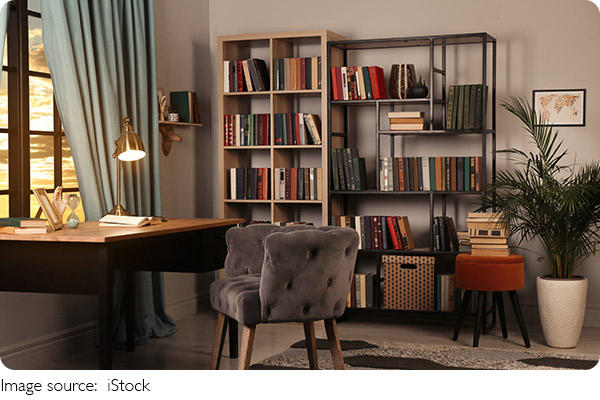
Books can be beautiful interior accents when they feel personal, useful, and relaxed. Choose books you enjoy, place them where reading naturally happens, mix them with everyday objects, and use them to create color, height, and texture. For Lykkers, the best rule is simple: let books tell the truth about your taste. A room looks richer when books feel lived-in, not staged for approval.