What Plants Need

Liam Reilly
| 27-08-2026
 · Plant Team
Hi, Readers! Watching a tiny seed turn into a healthy green plant can feel a little magical, but the process is actually built on a few very clear needs.
Plants do not grow well by chance. They rely on a balanced mix of light, water, air, suitable temperature, nutrients, and enough space to develop roots, stems, and leaves.
When one of these parts is missing, growth slows down, leaves may change color, and the whole plant can struggle. So if you have ever wondered why one plant thrives while another seems stuck, the answer usually starts here.
Light matters first
Light is one of the most important conditions for plant growth because plants use it to make food through photosynthesis. This process allows them to turn light energy into the energy they need for survival and growth. Different plants need different amounts of light. Some do best in strong direct light, while others prefer gentler, indirect brightness.
Low-fuss houseplants that forgive beginner mistakes and still keep your space lively
Simple ways to pair indoor plants so your room looks balanced, fresh, and easy on the eyes
Easy picks for living rooms and bedrooms, with simple care tips and placement ideas
Simple care moves that help ornamental plants stay fuller, greener, and happier indoors
Simple ways to help houseplants stay happy when sunshine is scarce
Match light, space, care level, and room conditions so your plant feels at home, not like a guest in a broom closet
If a plant does not get enough light, it may become weak, pale, or stretched out as it reaches for a brighter spot. Too much intense light can also stress some plants, especially those that naturally grow in shaded places.
Water keeps life moving
Water is another basic requirement because it helps move nutrients through the plant and supports many internal processes. It also helps plants stay firm and healthy. When a plant gets too little water, it can wilt, dry out, and stop growing. Too much water can be just as difficult because roots need air as well as moisture.
If soil stays overly wet for too long, roots may not function properly. That is why healthy growth usually depends on soil that holds some moisture while still allowing extra water to drain away.
Air and carbon dioxide
Plants need air both above and below the soil. Leaves take in carbon dioxide, which is essential for photosynthesis. At the same time, roots need access to air in the soil so they can function well. Soil that is packed too tightly can limit this airflow and make growth harder. Good air circulation around a plant also supports a healthier growing environment. It is easy to forget this part since air is invisible, but plants depend on it every day.
Temperature and warmth
Temperature affects how quickly a plant grows and how well its internal processes work. Most plants grow best within a certain temperature range. If conditions are too cold, growth may slow down or stop. If they are too hot, the plant may lose water too quickly and become stressed.
Warmth is especially important during seed germination and early development. Since each kind of plant has its own preferred range, matching the plant to the right environment makes a real difference.
Nutrients from the growing medium
Plants also need nutrients to build tissues and stay strong. Important nutrients include nitrogen, phosphorus, and potassium, along with other minerals needed in smaller amounts. These nutrients usually come from soil or another growing medium. If the nutrient supply is poor, plants may grow slowly or show weak leaves and stems.
Rich, well-structured soil often gives plants a better start, while added plant food can help when natural supplies are limited. The key is balance, because too much can also create stress.
Space to grow
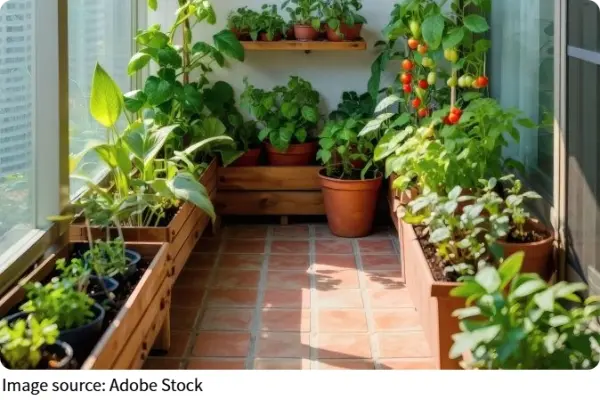
Even when light, water, and nutrients are available, plants still need enough room. Roots require space to spread and absorb what the plant needs. Leaves also need room to receive light and air. When plants are crowded, they compete with each other, and this can limit healthy development. In containers, a plant that outgrows its space may become restricted and stop thriving. Giving plants the right amount of room helps them develop more naturally and strongly.
Healthy plant growth is really about meeting a few simple but connected needs. Light, water, air, warmth, nutrients, and space all work together, and even one weak link can affect the whole plant. If you pay attention to these basics, it becomes much easier to understand what your plant is trying to tell you. A little observation and care can go a long way, and that is often when growing plants starts to feel truly rewarding.