Desert Survival Secrets

Raghu Yadav
| 05-08-2026
 · Animal Team
Hello Lykkers! Across some of the hottest landscapes on Earth, camels continue to thrive where temperatures can rise above 40°C (104°F) during the day and drop sharply at night.
These animals are often called “ships of the desert,” but their survival is not simply a result of endurance.
Camels possess a collection of highly specialized adaptations that allow them to control body temperature, conserve water, and remain active under intense heat. Their ability to withstand harsh desert conditions is a result of millions of years of biological refinement.
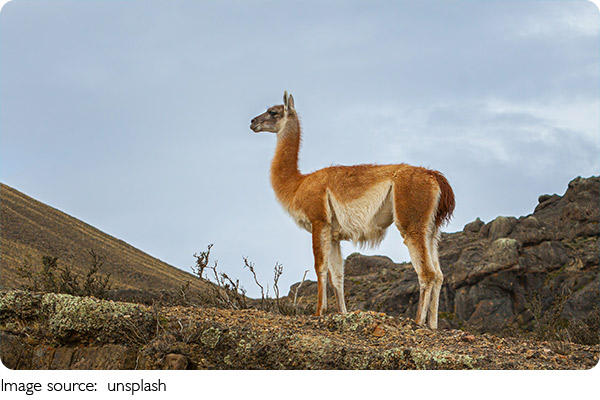
A Body Designed to Manage Desert Temperatures
One of the most impressive features of camels is their ability to tolerate large changes in body temperature. Unlike humans, who must keep internal temperature within a narrow range, camels can allow their body temperature to rise during the hottest parts of the day. A camel’s internal temperature may naturally fluctuate between roughly 34°C and 41°C (93°F to 106°F), depending on environmental conditions and hydration levels.
How does a pouch help young kangaroos grow? The answer is amazing!
Life above the clouds isn't easy! What keeps marmots thriving?
How did the culpeo grow into South America’s largest fox-like survivor across wild landscapes?
Tiny squirrels bury endless treasures! Their amazing memory helps them find hidden food again!
Why would an elephant do this? The answer may surprise you!
Is the robin nature's first alarm? See why its song starts before sunrise!
This unusual ability helps reduce water loss. When body temperature rises slightly, camels delay sweating because evaporation requires valuable moisture. Instead of immediately releasing heat through sweat, their bodies store some of the daytime heat and release it later when temperatures fall at night. This strategy allows them to survive longer periods without drinking.
The Secret Behind Their Efficient Water Conservation
Water is one of the greatest challenges in desert environments, and camels have developed extraordinary methods to protect every drop. Their kidneys are highly efficient at concentrating waste, which reduces unnecessary water loss. Their digestive system also allows them to extract moisture from plants that may appear dry and difficult to consume.
Camels can lose a significant amount of water from their body and still recover quickly when water becomes available. A dehydrated camel may drink large quantities in a short period, allowing its body to restore fluid balance rapidly. Their blood cells are uniquely shaped to remain functional even when the body experiences major changes in water levels.
Another important adaptation is their ability to breathe while minimizing moisture loss. Inside the nose, specialized structures help capture water vapor from outgoing breath and return some of it to the body. This small but effective mechanism becomes extremely valuable in an environment where evaporation can quickly become dangerous.
How Their Fur Helps Against the Desert Sun
A camel’s thick coat may seem surprising for an animal living in a hot climate, but it plays an important role in temperature control. The dense fur acts as insulation, slowing the movement of heat from the outside environment toward the skin. This means the camel’s body receives less direct heat from intense sunlight.
The coat is also thicker on the upper parts of the body, where sunlight exposure is strongest, while areas closer to the legs and belly may have less coverage to help release heat. This natural arrangement works like a protective layer, reducing the impact of extreme desert conditions.
At night, when desert temperatures fall dramatically, the same coat helps prevent excessive heat loss. Instead of needing separate systems for hot days and cold nights, camels use one adaptable covering to handle both situations.
Specialized Features That Protect Them From Heat and Sand
Camels have several physical features that help them survive desert storms and extreme sunlight. Their long eyelashes and closable nostrils protect their eyes and breathing passages from blowing sand. During severe dust storms, a camel can partially close its nostrils while continuing to breathe.
Their wide, flat feet are also essential for desert movement. Instead of sinking deeply into loose sand, the large surface area spreads their weight across the ground, making walking more efficient. Thick foot pads provide protection from hot surfaces that would be uncomfortable for many other animals.
Even their posture helps with heat control. When resting, camels often position their bodies to reduce direct exposure to the sun, and their long legs keep their main body farther away from the heated ground.

Camels are not simply animals that “tolerate” the desert; they are perfectly adapted inhabitants of one of Earth’s most demanding environments. Understanding how camels handle extreme heat reveals the complexity of natural adaptation. Every feature, from the shape of their blood cells to the structure of their fur, contributes to their ability to travel across landscapes where survival is a daily challenge.