Why So Colorful?

Mason O'Donnell
| 11-08-2026
 · Animal Team
Hi, Readers! Some animals look like they raided a giant paint box and walked out wearing every bright shade they could find.
A frog glowing like a tiny traffic light, a bird dressed like a flying rainbow, or a fish flashing colors like a living firework can make you wonder what nature was thinking. But those bright colors are not random decoration.
In the animal world, color is more like a toolbox. It helps creatures hide, send warnings, attract partners, and sometimes do a bit of clever trickery.
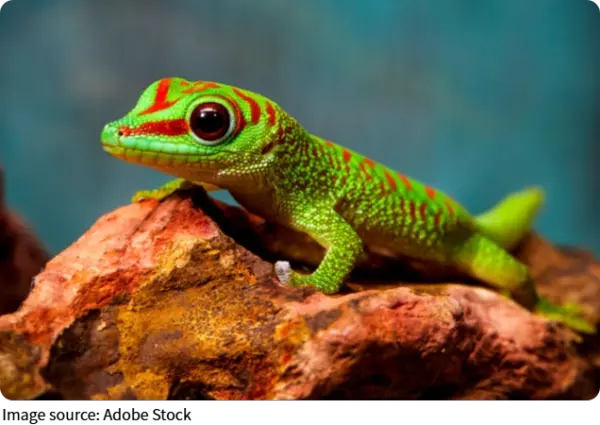
Bright colors can be a warning
Some animals wear bold colors as a clear message that says, "Do not mess with me." This is called warning coloration. Creatures that taste awful or can make another animal sick often use bright shades like yellow, orange, red, or blue to stand out. It is like hanging a giant "bad idea" sign on your front door.
Recognizing a voice on the phone after twenty years of silence feels almost impossible, yet it happens
Driving cross-country with no map and no signal sounds terrifying, yet some travelers do it every single year
A busy office chart looks simple on paper until you watch how differently every single relationship actually runs
A patch of garden left alone for one full season comes back thicker than anyone expected it to
Why Do Cats Love Looking Out the Window? Discover the Surprising Everyday Reasons Behind This Quiet and Curious Habit!
Why would an elephant do this? The answer may surprise you!
Predators learn pretty quickly that grabbing one of these flashy animals may lead to an unpleasant meal. Poison dart frogs are a famous example. Their bright skin helps other animals remember to keep their distance.
Color can help animals hide too
It sounds backward, but bright color can also help with hiding. In some places, the background is full of colorful flowers, coral reefs, or tropical plants, so blending in means being colorful too. A fish on a coral reef may match the bright world around it so well that it almost disappears.
Some animals also use patterns like spots, stripes, or patches to break up the shape of their bodies. That makes them harder to notice, kind of like trying to find one confetti piece in a room already covered in confetti.
Flashy looks can attract mates
Sometimes color is all about impressing a partner. In many species, brighter colors can show that an animal is healthy and strong. A colorful bird, for example, may be showing off good genes, access to food, or overall fitness. It is nature's version of showing up polished and confident.
Peacocks are one of the best-known examples, with their huge, colorful tail feathers that grab attention right away. The brighter and more impressive the display, the more likely it is to attract a mate.
Some animals copy others
Not every colorful animal is actually dangerous. Some harmless species survive by looking like creatures that are. This is called mimicry. If a predator mistakes a safe animal for one that tastes bad or is harmful, the copycat gets left alone. It is a smart trick, like wearing a costume that says, "Trust me, I am not worth the trouble." Over time, this kind of imitation can help a species stay safer without needing any real defenses of its own.
Color can change with the job
In some animals, color is not fixed. It can shift depending on mood, temperature, season, or surroundings. Chameleons are famous for changing shades, though they do not do it only to blend in. They also change color to communicate with other chameleons or respond to light and heat.
Other animals may look brighter during mating season and less noticeable at other times. So color is not always a permanent outfit. Sometimes it is more like a closet full of options.

Bright animal colors may seem like pure showmanship, but they are usually doing an important job. They can warn enemies, help with camouflage, attract mates, or fool predators with mimicry. Nature rarely adds details just for fun. So the next time you spot a brightly colored creature, take a closer look. That splash of color may be sending a message louder than words.