Nature’s Adaptable Acrobats

Mason O'Donnell
| 24-09-2026
 · Animal Team
Do you know, Lykkers? The gray squirrel is one of North America’s most recognizable wild mammals. Yet, its success story is far more complex than its familiar image of a small animal racing across tree branches.
Known scientifically as Sciurus carolinensis, the eastern gray squirrel has become a remarkable example of adaptation, intelligence, and survival. From ancient woodlands to modern urban parks, this species has learned how to adjust its behavior, diet, and movement strategies to thrive in changing environments.
Built for a Life Above the Ground
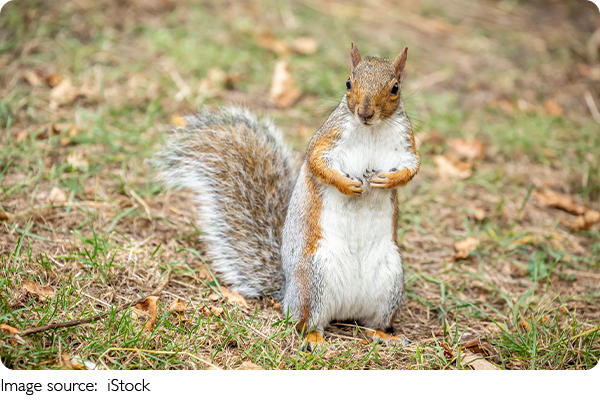
Gray squirrels are designed for an active life in the treetops. Their sharp claws provide a strong grip on rough bark, allowing them to climb vertical trunks and move quickly between branches. A flexible ankle structure enables their feet to rotate backward, giving them better control when descending trees headfirst, a skill that many mammals cannot perform.
Why Do Meerkats Always Stand Tall? The Desert Habit Behind Their Famous Pose Will Change How We See Them!
Eurasian Red Squirrel: The Tiny Forest Flame With Amazing Tree Skills And A Secret Life Among Branches!
Easy Ways We Can Create a Cozy Home Our Cats Will Love and Feel Comfortable In Every Single Day!
Why Do Giraffes Sleep Only Two Hours Daily? The Surprising Secrets Behind Their Amazing Resting Habits!
Why Does the Blue Wildebeest Look Like Several Animals Combined? Discover Its Remarkable Grassland Journey!
Ice, snow, and freezing winds! How do white reindeers keep warm?
Their large, bushy tail is not just a visual feature. It works as a balancing tool when squirrels leap between branches, helping them adjust their body position in midair. The tail also acts as a communication signal. A rapidly flicking tail may warn nearby squirrels of danger, while its movement can help distract predators such as hawks or foxes by creating confusing visual signals.
A gray squirrel’s jumping ability is another reason it earns the title of an acrobat. These animals can leap several meters between tree branches, carefully calculating distances before making a move. Their ability to navigate narrow branches at high speeds allows them to escape threats while using the forest canopy as a natural highway.
A Master of Food Storage and Memory
One of the most fascinating behaviors of gray squirrels is their method of storing food. Instead of keeping all their resources in one location, they create hundreds of small underground storage sites called “scatter hoards.” During autumn, squirrels collect nuts such as acorns, hickory nuts, and walnuts, then bury them in different locations for later use.
Their memory plays an important role in this survival strategy. Research has shown that gray squirrels can remember the locations of many hidden food supplies and use environmental clues, including the position of trees and other landmarks, to relocate their buried meals. They also rely heavily on their sense of smell, which helps them detect food beneath layers of soil.
Interestingly, not every hidden nut is recovered. Some forgotten seeds remain underground and may eventually grow into new trees. Because of this behavior, gray squirrels unintentionally contribute to forest regeneration by acting as natural seed dispersers.
Adapting to Human Environments
The ability to adjust has made gray squirrels one of the most successful urban wildlife species. In cities, they often replace natural food sources with alternatives found around human settlements, including bird feeders, gardens, and planted trees. Their flexible diet allows them to consume seeds, fruits, fungi, tree bark, insects, and occasionally small animal materials.
Urban life has also changed their daily routines. City squirrels often become more comfortable around people because they experience fewer direct threats from predators. However, this close relationship can create challenges. Feeding wild squirrels may cause them to become dependent on humans and increase conflicts, such as property damage or competition with other wildlife.
Their presence in urban areas also highlights the importance of designing cities with wildlife in mind. Parks with diverse tree species, connected green spaces, and natural vegetation can support healthier populations while maintaining a balance between human communities and local ecosystems.
The Ecological Role Behind Their Popular Image
Although gray squirrels are often viewed simply as playful backyard animals, they play an important role in forest ecosystems. By spreading seeds, influencing plant growth, and serving as prey for larger animals, they are part of a complex natural network. Their relationship with trees is especially significant. Many tree species produce nuts that are too heavy to travel far on the wind, making animals like squirrels essential partners in seed dispersal. The behavior of burying and forgetting food creates opportunities for forests to expand and regenerate.
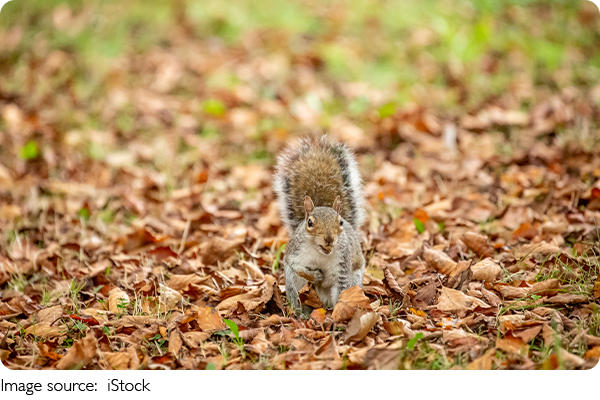
Gray squirrels represent much more than a common sight in parks and forests. Their climbing skills, problem-solving abilities, memory, and flexibility reveal a highly specialized animal shaped by thousands of years of evolution. The next time a gray squirrel races across a branch or carefully hides a nut beneath the ground, consider the hidden intelligence behind that simple moment. What other secrets might these small acrobats be carrying as they continue adapting alongside us?
The Secret Life of Squirrels | Nature’s Clever Acrobat Revealed! | Friends of Nature
Friends of Nature