Tokyo Tower Guide

Amit Sharma
| 02-09-2026
 · Travel Team
Hi, everyone. Most people assume Tokyo Tower is just a photo stop, a quick snap from the ground and you're done.
But that's selling it short. Sure, it's the iconic red-and-white structure you've seen in a thousand photos, but actually going up changes how you see the whole city.
It's not the tallest thing in Tokyo anymore, but it might be the most personal.
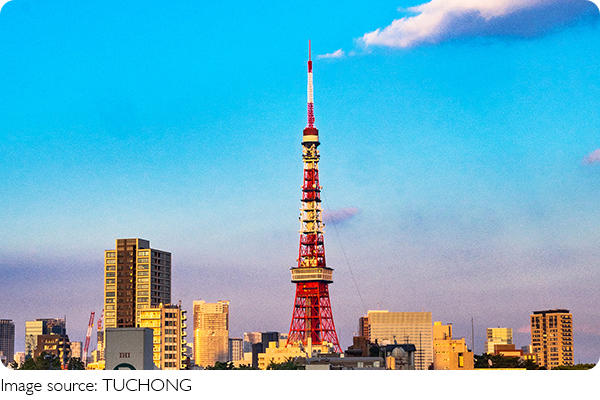
Why the old tower still wins
Tokyo Tower opened in 1958, and it was the tallest structure in Japan for over five decades. Then Tokyo Skytree came along in 2012 and took that crown. But here's the thing: Skytree is so high that the city below starts to look like a map, distant and abstract.
Tokyo Tower, at 333 meters, sits lower, which means you're still close enough to feel like you're part of the city. You can pick out individual buildings, watch trains snake through the streets, and spot the green patch of Shinjuku Gyoen without squinting. The view feels alive, not like a satellite image.
Raja Ampat holds the richest marine biodiversity on Earth above turquoise shallows between limestone karst islands.
A practical guide to the cliffside icons and how to see them right.
A short, steep walk to Neist Point Lighthouse with practical notes on parking, timing, transport, and where to sleep.
Plan a practical Khao Yai escape with forest trails, waterfalls, wildlife watching, and clear transport choices from Bangkok.
Stand on a famous stone wedged in a cliff, 984 meters above Lysefjord. Here's how.
Where Vineyards, Cypress Roads and Rolling Hills Create Tuscany’s Iconic Countryside
Two decks, two different moods
There are two observation decks, and they're not just the same view from higher up. The Main Deck sits at 150 meters, and it's the one most people visit. It has glass-floor sections where you can stand and look straight down at the traffic below, which is a little nerve-wracking the first time. The Top Deck at 250 meters is a different experience entirely.
It's a smaller, more intimate space with panoramic windows that curve around you, and the lighting is dimmer, almost like a lounge. The Top Deck requires a separate ticket, and you take a dedicated elevator to get there. If you only have time for one, the Main Deck is cheaper and still gives you the full Tokyo panorama, but the Top Deck feels special, especially around sunset.
Tokyo Tower
Timing is everything up there
Go during the day and you'll see a sprawling, hazy cityscape. Go at night and you'll see a sea of lights. But the real sweet spot is the hour before sunset. You get daylight, then the soft transition of dusk, then the city lights flickering on one by one. It's a full show in about 60 minutes.
On a clear day, you can even see Mount Fuji from the Main Deck, a faint blue silhouette on the horizon. The tower stays open until 22:30, so you've got plenty of room to plan around that golden window.
Getting there without the hassle
The tower is in Minato City, and the nearest station is Kamiyacho on the Hibiya Line, about a 7-minute walk away. You can also use Onarimon Station on the Mita Line, which is roughly the same distance. The walk is straightforward, and you'll see the tower looming ahead of you the whole time, so it's hard to get lost. Grown-up admission to the Main Deck is 1,200 yen, which is about 8 USD. Adding the Top Deck costs extra, around 3,000 yen total for both decks.
Tickets can be bought at the entrance, but on weekends and holidays, the lines can be long. Buying a ticket online beforehand saves you at least 20 minutes of waiting, and it's worth it if you're on a tight schedule. Also, check the tower's official live camera before you go. If it's cloudy or rainy, the view can be completely white, and that's a waste of a ticket.
One practical tip before you go
The elevators to the Main Deck can get crowded, especially in the late afternoon. Go up before 15:00 if you want a more relaxed experience. The tower also has a small cafe on the Main Deck, but the prices are what you'd expect from a tourist spot, so you're better off grabbing a coffee at a convenience store nearby before heading up.
And if you're into souvenirs, skip the gift shop on the main floor. The tiny shop at the Top Deck has better, more unique items like tower-shaped keychains and postcards you won't find anywhere else.
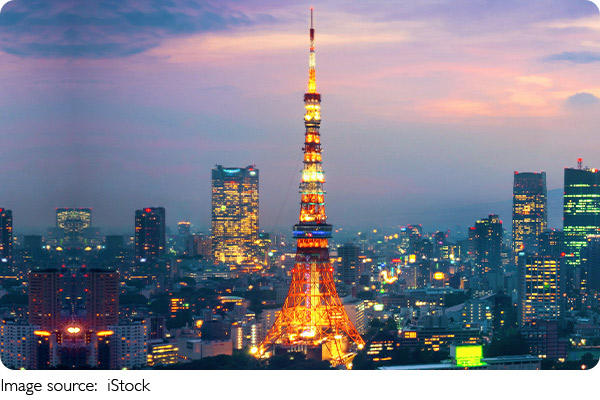
So next time you're in Tokyo, don't just look up at the tower and move on. Buy a ticket, ride the elevator, and give yourself that hour before sunset. You'll leave with a different view of the city, one that feels personal, not just postcard-perfect.