White Cake Done Right

Nolan O'Connor
| 03-09-2026
 · Food Team
Hello, readers. White cake sounds simple, but it is not forgiving.
A yellow cake can hide a lot with egg yolks and extra richness, but a white cake has nowhere to hide. If you want that clean crumb and bright color, you need the right flour, the right pan setup, and a mixing order that keeps the batter light without turning it dense.
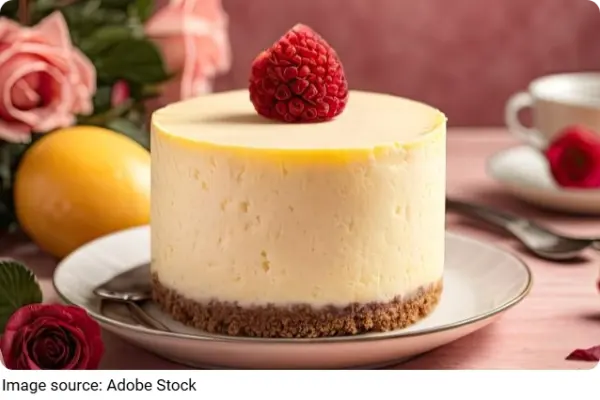
The flour choice matters
Cake flour keeps the crumb soft and fine; all-purpose flour will not produce the same texture in this recipe. You will also need 3/4 cup unsalted butter, softened to room temperature, 1 and 3/4 cups granulated sugar, 5 large egg whites at room temperature, 1/2 cup sour cream at room temperature, 1 tablespoon pure vanilla extract, 1/2 teaspoon almond extract, and 1 cup whole milk at room temperature.
Raspberry lovers, this one’s calling! Bake up sweet cupcakes with creamy berry frosting!
Forget the Bakery Line—This Eclair Recipe Is Faster, Cheaper, and Twice as Delicious!
A simple pairing that gives you fiber, vitamins, and easy ways to eat both together
Build a sandwich that stays together, with a simple stacking order that actually works.
A clear doughnut recipe with exact amounts, plus the frying heat and timing that keep them light
A simple way to balance fruit and sugar, plus the steps that keep jam thick and bright
The pan setup stays simple
You do not need to guess your prep. Heat the oven to 350°F. Grease three 8-inch round cake pans, line them with parchment paper circles, then grease the parchment too. That extra parchment step makes a real difference when you turn out delicate layers. In a medium bowl, whisk the cake flour, baking powder, and salt together. In a large bowl, beat the butter and sugar together on high speed until the mixture looks smooth and creamy, about 2 minutes. Add the egg whites and beat on high until combined, then mix in the sour cream, vanilla extract, and almond extract. The mixture can look slightly curdled at this stage, and that is fine.
The mixing order stays light
Keep the mixer on low speed for the dry ingredients and milk. Add the dry mixture in three additions, alternating with the milk, and mix each addition just until combined. Do not run the mixer longer than you need to. Once the batter is ready, divide it evenly between the three pans. Bake for about 21 to 23 minutes, or until the tops are set and a toothpick inserted in the center comes out clean. Let the cakes cool completely in the pans set on a wire rack before you remove them. If you try to rush that step, you risk tearing the layers.
The frosting keeps it balanced
A white cake needs frosting that matches its texture, not one that buries it. For a vanilla buttercream, beat 1 and 1/2 cups unsalted butter until creamy. Add 5 and 1/2 cups confectioners' sugar, 1/3 cup whole milk, 2 teaspoons pure vanilla extract, and 1/8 teaspoon salt. Beat it until smooth and fluffy. If the frosting seems too thick, add a small splash of milk. If it feels too loose, add a bit more confectioners' sugar. Once the cake layers are cool, level them if needed, stack them with frosting between each layer, then cover the top and sides. This amount makes enough for a three-layer cake, with some room for piping if you want it.
Small details prevent trouble
The usual shortcut is cold ingredients straight from the fridge, but room-temperature butter, egg whites, sour cream, and milk give you a smoother batter and a more even rise. Measuring cake flour correctly matters too. If you scoop straight from the bag, you can pack in too much and end up with a tighter crumb. Spoon it into the measuring cup and level it off instead. If you want a flavor change, you can leave out the almond extract, but that small 1/2 teaspoon gives the cake a fuller bakery-style taste without taking over.
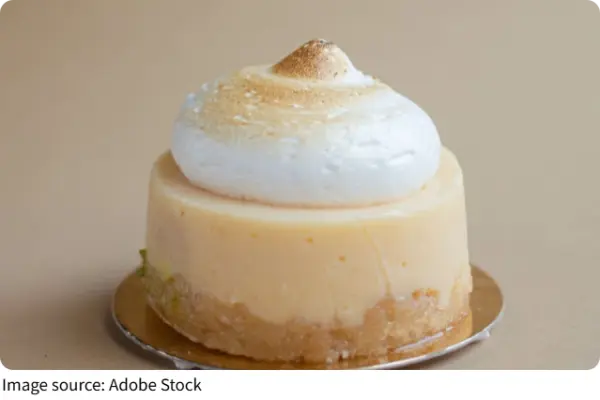
This cake works because each choice has a job, from the 5 egg whites to the three 8-inch pans. You get a white cake that looks clean when sliced and stays soft enough for birthdays, showers, or any dinner where you want a proper layer cake on the table. So if you've had white cakes turn dry or flat before, try this version exactly once before changing anything, and you'll see where the texture starts to go right.