Europe After Summer

Ravish Kumar
| 03-09-2026
 · Travel Team
September and October might be Europe’s most underrated travel months. The cafés are still busy, southern cities remain pleasantly warm and many outdoor attractions are fully open — but the exhausting combination of August heat, queues and peak-season prices begins to ease.
Shoulder season is not about visiting somewhere after the fun has finished. In the right city, it can actually feel like arriving at exactly the right moment.
Here are five cities worth saving for after summer.
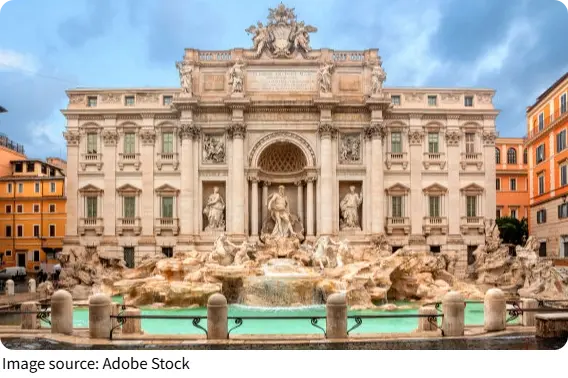
1. Rome: Walk Without Melting
Rome changes personality once the most intense summer heat disappears. September temperatures commonly sit around 17–29°C, while later autumn days make long walks between the Colosseum, Roman Forum, Pantheon and neighbourhood streets considerably more comfortable. This is the city to explore slowly: choose one major archaeological site in the morning, stop for lunch and spend the afternoon wandering rather than collecting attractions.
Roman ruins, mountain paths and neighbourhood markets make Sofia one of Europe’s easiest capitals to enjoy without rushing.
Five European stops prove that the journey between famous cities can be just as memorable as the destination.
Skip the crowded viewpoints. These four walking escapes reveal a quieter side of Europe — one trail, village and coastline at a time.
Volcanic roads, empty beaches and compact coastal routes make these European islands perfect for a scenic road trip.
Quiet European islands: volcanic Greece, car-free Brittany – beaches, history, no crowds.
Forget packed itineraries. These European escapes are made for long walks, quiet mornings and holidays that actually feel restful.
A Colosseum, Roman Forum and Palatine Hill ticket costs around €18, while a simple trattoria dinner can be €15–€22. September hotel searches put a typical double room at roughly €121 per night. Recommended budget: €120–€180 per person per day for a comfortable city break.
Best for: first-time visitors who want history without midsummer exhaustion.
Roman Forum
2. Copenhagen: Autumn Gets Cozy
Copenhagen does not promise Mediterranean warmth — and that is exactly the point. September brings cooler walks around Nyhavn, museums become more tempting, and cafés start developing the cozy atmosphere for which the Danish capital is famous. Autumn also tends to be quieter than summer, although rain and rapidly changing weather make layers essential.
Copenhagen remains expensive. A careful traveler can spend around €80–€115 per day by combining cheaper accommodation, bakeries, walking and free attractions. Current September listings show many standard hotels costing considerably more, so booking accommodation early matters.Save money by making the canals, waterfront and neighbourhood walks part of the entertainment rather than scheduling paid attractions from morning to evening.
Recommendation: allow three days and spend selectively — Copenhagen rewards wandering surprisingly well.
3. Lisbon: Summer Without Summer
Lisbon in September feels like someone turned the temperature down but forgot to end the holiday. The city remains warm enough for terraces and trips toward nearby beaches, while walking through the steep streets of Alfama becomes noticeably more pleasant. Early autumn also brings cultural events, performances and heritage activities across the city.
Budget travelers can manage on roughly €70–€115 per day, while a more comfortable trip usually lands around €140–€210. Three-star accommodation commonly falls around €105–€165 per night during September. The real trick is not spending every day racing between monuments. Give yourself one afternoon simply for viewpoints, cafés and neighbourhood streets.
Best for: travelers who still want sunshine but have had enough of peak Mediterranean crowds.
4. Dubrovnik: Reclaim the Old Town
Dubrovnik is spectacular in summer — if you can see it through everyone else. By late September, visitor numbers begin to thin while the Adriatic can remain warm enough for swimming. In October, cooler conditions make walking the City Walls and exploring the Old Town much more enjoyable. Budget-conscious travelers can plan around €70–€100 per person per day outside July and August, although accommodation inside or immediately around the historic centre can cost considerably more. Two to three days is generally enough for the main city sights without rushing.
Some seasonal boat services and beach businesses reduce operations later in autumn, so check schedules before planning island excursions.
Recommendation: choose late September for the best balance between quieter streets and lingering beach weather.
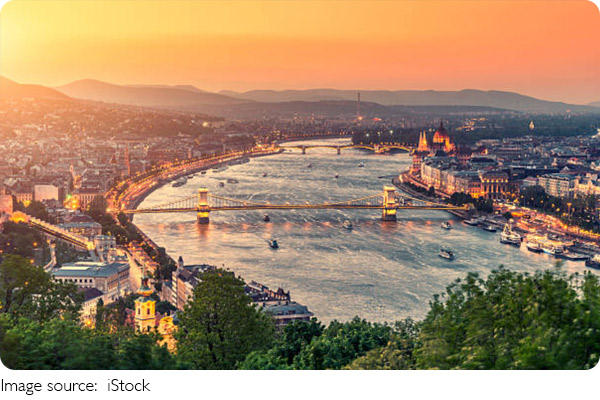
5. Budapest: Autumn With Steam
Budapest may be the most naturally autumnal city on this list. Cooler weather suits walks along the Danube, evenings feel atmospheric rather than cold, and thermal baths become even more appealing when there is a slight chill in the air.
September and October also bring cultural events and contemporary art programming.
It is significantly easier on the budget than Copenhagen or Lisbon. A comfortable mid-range trip can run around €70–€100 per person per day, while careful travelers can keep costs closer to €40–€60. Accommodation searches currently show options starting near €66.
Best for: couples, weekend travelers and anyone wanting a European capital without premium-city prices.
Choose Your Autumn
Pick Rome for history, Copenhagen for atmosphere, Lisbon for warmth, Dubrovnik for the coast and Budapest for value.
The real advantage of shoulder season is not simply saving money. It is getting enough space to notice the city you traveled all that way to see.