Vintage Charm Done Right

Pardeep Singh
| 26-10-2026
 · Lifestyle Team
A vintage-inspired living room can feel warm, personal, and full of character without looking like a museum. The key is to combine classic furniture shapes, aged-looking finishes, soft fabrics, and carefully chosen decorative pieces.
Whether the room is large or compact, a few thoughtful changes can create that timeless atmosphere while keeping the space practical for modern life.
Start With a Warm Color Palette
Color has a major influence on the vintage feeling of a room. Instead of relying on very bright shades, consider warm neutrals such as cream, beige, muted brown, soft green, or dusty blue. These colors create a relaxed background that allows furniture and accessories to stand out.
A freestanding tub can become the focal point of a minimalist bathroom without adding clutter!
Limited space, plenty of style! Give a small balcony a beautiful and inviting feel!
A modern home looks even better after dark! See outdoor lighting ideas with real impact!
Bright finishes, well-placed storage, and clear preparation space keep a country-style kitchen useful as well as welcoming.
A useful minimal desk keeps work tools close, screens readable, cables controlled, and space available for comfortable movement.
Small balcony, big potential! Create a relaxing outdoor spot with clean lines and cozy details!
For a stronger vintage character, introduce one deeper shade through an accent chair, curtain, cabinet, or decorative wall. Keeping the main walls relatively calm also makes it easier to change accessories later without redesigning the entire room.
Choose Furniture With Classic Shapes
Furniture is often the most noticeable part of a vintage living room. Look for pieces with rounded edges, wooden legs, carved details, or gently curved silhouettes. A classic sofa paired with a wooden coffee table can immediately establish the style.
There is no need for every piece to come from the same period or collection. In fact, mixing styles can make the room feel more natural. Try combining a traditional-looking sofa with a simpler modern side table, or place a vintage-style cabinet beside a contemporary lamp.
Comfort should remain a priority. A beautiful chair is not particularly useful if nobody wants to sit in it. Choose cushions, upholstery, and furniture sizes that suit everyday use.
Add Character With Wood
Wood is especially useful for creating a vintage atmosphere because it brings warmth and visual texture. A wooden coffee table, bookshelf, sideboard, or framed mirror can become an important feature without overwhelming the room.
Rather than making every wooden piece identical, carefully combine different finishes. A slightly darker table can work well with medium-toned shelves and lighter flooring. The goal is to create variation while maintaining a connected appearance. For smaller rooms, a wooden side table or a compact console can provide the same effect without taking up too much floor space.
Layer Rugs and Soft Textiles
Textiles can make a vintage living room feel much more inviting. Consider a patterned rug with subtle traditional detailing, then build around it with cushions and curtains in complementary colors. Patterns do not need to be bold. Small floral-inspired designs, geometric shapes, stripes, or faded-looking patterns can add visual interest without making the room feel busy.
A throw placed casually over the sofa can also soften the space. Mixing different textures, such as woven fabric, cotton, and soft upholstery, adds depth while keeping the overall design comfortable.
Use Lighting to Set the Mood
Lighting deserves attention because it can change how vintage furniture and colors appear. Instead of relying on a single strong ceiling light, use several smaller sources throughout the room. A table lamp with a classic shade can work beautifully beside a sofa or reading chair. A floor lamp can fill an empty corner, while a warm-toned ceiling fixture can provide general illumination.
The fixtures themselves can become decorative elements. Look for designs featuring metal, glass, ceramic, or traditional-shaped shades that complement the furniture.
Decorate With Personal Finds
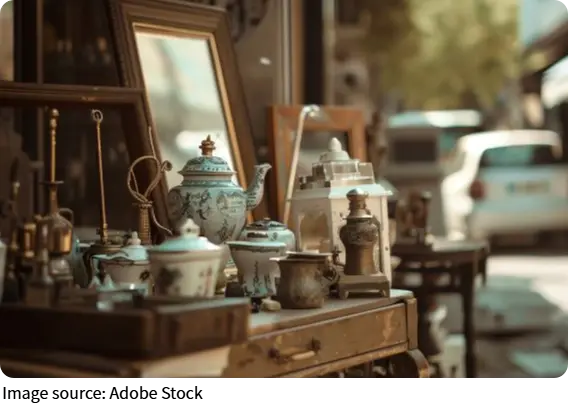
The most convincing vintage rooms usually contain objects that feel collected rather than purchased all at once. Framed artwork, an old-style clock, ceramic pieces, books, decorative boxes, and mirrors can all contribute personality. Try grouping a few related objects instead of placing decorations randomly throughout the room. For example, a small stack of books, a table lamp, and a ceramic ornament can create a simple arrangement on a side table.
Keep the Room Balanced
Vintage design works best when there is enough space for each feature to breathe. Too many decorative objects, patterns, or furniture pieces can make the room feel crowded. Start with the largest elements, such as the sofa, rug, and coffee table. Then add lighting and storage, and finish with smaller decorations.

Creating a vintage living room does not require filling the space with old-fashioned furniture. A warm color palette, classic silhouettes, natural wood, layered textiles, thoughtful lighting, and personal decorations can provide the desired character while keeping the room comfortable. The best result is a space that feels timeless but still works naturally for everyday living.