Why Pop-Up Lights Endure

Caleb Ryan
| 22-09-2026
 · Auto Team
There are plenty of memorable details in automotive design, but few have the same charm as pop-up headlights. With a simple mechanical movement, a hidden pair of lamps could suddenly appear when the driver needed them.
When switched off, they disappeared back into the bodywork, leaving behind a smooth and distinctive front end. Although modern cars have largely moved away from this feature, its appeal has never really faded.
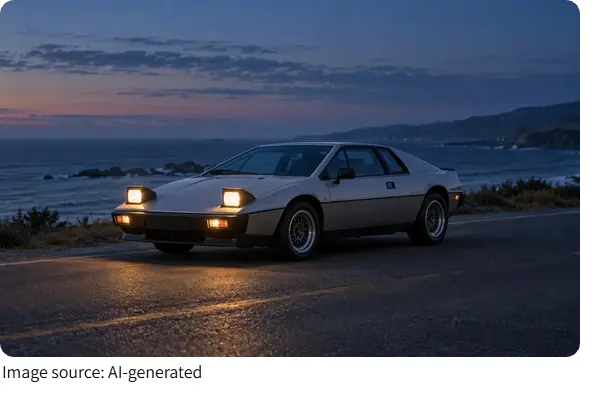
A Design That Changed the Front End
Pop-up headlights became popular because they offered designers an interesting way to balance lighting requirements with styling goals. Headlights traditionally needed to sit visibly at the front of a car, but retractable units allowed them to be hidden when they were not in use.
Cold slows battery chemistry and raises cabin demand, so preparation matters for range, charging, traction, and visibility.
Thousands of UK garages are gaining a new photo-upload feature designed to strengthen MOT checks and deter fraud.
Britain may lower its 2030 electric-car sales target as manufacturers push for more flexibility in the transition.
Zero-emission trucks and buses are gaining market share across the EU as manufacturers accelerate their shift to electric fleets.
A practical guide to preparing your SUV, equipment, and driving technique for rocky and uneven trails
About €151 million will support next-generation vehicle projects while securing more than 1,800 UK jobs.
That created a cleaner appearance. When the headlights were closed, the hood and front section could look lower, smoother, and more unified. This was particularly attractive on sports cars, where designers often wanted a sleek profile without large lighting units interrupting the shape.
The Fun of Seeing Them Appear
One reason pop-up headlights became so memorable is their movement. Most car features remain stationary, but these headlights actually did something. Pressing the lighting control could make the hidden units rise into position. That small mechanical action gave the car a sense of character.
Even from outside the vehicle, seeing the lights emerge created a moment that felt more special than simply switching on modern lamps. For many enthusiasts, this movement is a major part of the nostalgia. It turned an ordinary driving function into a recognizable visual experience.
They Became a Sports Car Signature
Pop-up headlights appeared on a wide range of vehicles, but they became especially associated with sports and performance cars. Their ability to create a low, uninterrupted front end suited the proportions designers wanted for many sporty models.
The feature also helped distinguish cars from one another during an era when manufacturers experimented more freely with exterior styling. A car with its headlights hidden could look completely different once the lamps were raised. That two-stage appearance made these vehicles easy to recognize. The same car could have one character while parked and another when being driven at night.
Mechanical Character Matters
Modern automotive lighting has become highly advanced, with compact lamps that can be integrated neatly into body panels. These designs offer major advantages in efficiency, packaging, visibility, and manufacturing. Pop-up headlights, by comparison, relied on moving mechanical components. Motors, hinges, covers, and other parts all had to work together correctly. That added complexity, but it also gave the feature a sense of mechanical character.
For enthusiasts, that physical movement is part of the attraction. A pop-up headlight does not simply function—it visibly demonstrates how the car is working.
Why Modern Cars Rarely Use Them
Despite their popularity, pop-up headlights eventually became less common. Modern vehicle design places greater emphasis on aerodynamic efficiency, pedestrian protection, lighting technology, and compact integration.
A retractable lighting system requires additional moving components and space within the front of the vehicle. Modern lighting technology also allows manufacturers to create slim, powerful units that can be incorporated directly into the bodywork. As a result, designers can now achieve smooth front-end shapes without needing headlights to disappear.
Nostalgia Keeps the Style Alive
The disappearance of pop-up headlights from mainstream production has arguably made them even more memorable. They represent a period when automotive design could be playful, experimental, and mechanically expressive.
Collectors and enthusiasts continue to appreciate cars featuring the design because the headlights provide something modern lighting systems rarely replicate: a visible mechanical gesture. Even people who are not deeply interested in cars can often recognize the feature immediately. The combination of hidden lamps, moving parts, and distinctive proportions creates an unmistakable visual identity.
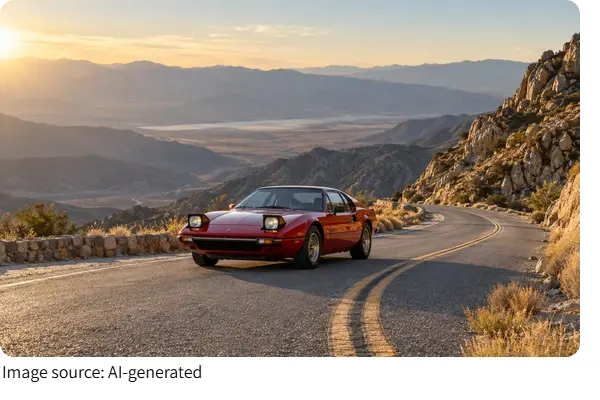
Pop-up headlights remain iconic because they combined styling, function, and mechanical movement in one simple feature. They helped create smooth-looking front ends, became closely linked with memorable sports cars, and gave drivers a visual experience every time the lights were activated.
Modern lighting has made retractable headlights unnecessary, but that has not erased their appeal. Instead, their rarity has strengthened their place in automotive history. For many car enthusiasts, watching those headlights rise is a reminder that great car design is not always about complexity—it can also be about creating a small detail that people never forget.