EV Care in Hot Weather

Caroll Alvarado
| 22-09-2026
 · Auto Team
Hot weather can change the way a car feels, and electric vehicles deserve a little extra attention when temperatures rise. The battery, cabin, tires, and charging system all have to deal with heat during summer driving.
Modern EVs are designed with systems that help manage temperature, but good driving and charging habits can still make ownership easier. For drivers preparing for a hot season, a few simple steps can help keep an EV comfortable and ready for the road.
Park in the Shade When Possible
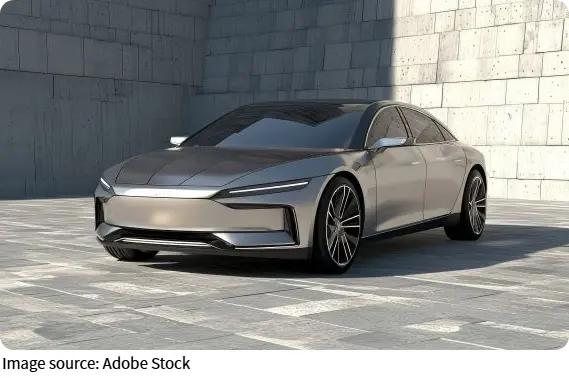
Where an EV is parked can make a noticeable difference to its overall heat exposure. Whenever practical, choose a shaded parking area or a covered space, particularly when the vehicle will remain parked for several hours.
Practical driving and care habits for preserving a low sports car's exterior and underbody
Practical care for fluids, tires, suspension, drivetrain systems, and off-road readiness
Your Tires Are Trying to Tell You Something — Most Drivers Never Notice!
Europe’s electric vehicle transition is accelerating, but affordability, infrastructure and industrial challenges remain.
New car registrations increase in August as electric vehicles and fleet demand support market recovery.
European new car registrations improve in 2026 as electric vehicles gain ground and market conditions stabilise.
If shade is unavailable, using a suitable windshield sunshade can help reduce the amount of heat building up inside the cabin. Keeping the interior cooler can also make it more comfortable when returning to the vehicle. A covered parking space can be especially useful during the hottest part of the day. It protects the cabin from direct sunlight and gives the vehicle a cooler environment while it is stationary.
Pay Attention to Battery Temperature
The battery is one of the most important components in an EV, and temperature management is a normal part of its operation. EVs typically use battery-management systems designed to keep the battery within an appropriate temperature range.
Drivers can still help by avoiding unnecessary heat exposure. During extremely hot conditions, avoid leaving the vehicle parked in direct sunlight for long periods when a cooler option is available.
The vehicle's built-in temperature warnings should also be taken seriously. If the car displays a message related to battery temperature or charging, follow the manufacturer's instructions rather than continuing as normal.
Choose Charging Times Carefully
Charging an EV can generate additional heat, so charging during the coolest part of the day can be a practical habit in very hot climates. Overnight charging is often convenient because temperatures are generally lower and the car can be ready for the next trip.
Follow the vehicle manufacturer's recommendations for charging in high temperatures. Avoid using damaged charging equipment or charging connections that become unusually hot.
Keep the Cabin Cool Efficiently
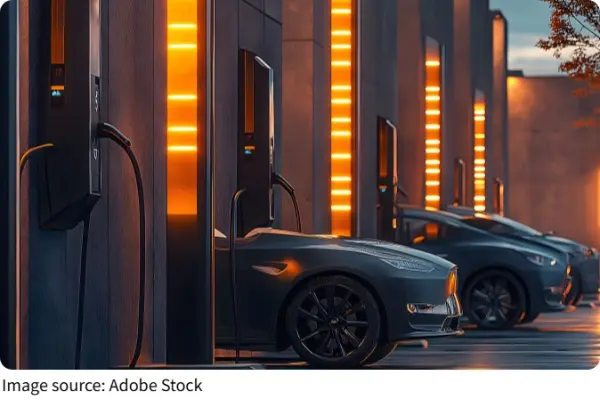
Air conditioning is one of the main energy users in an EV, particularly when the cabin starts out very hot. If the vehicle provides pre-conditioning while connected to a charger, using that feature before leaving can be helpful.
Once driving, set the climate system to a comfortable temperature rather than constantly making large adjustments. Keeping windows closed while the air conditioning is running can also help maintain the desired cabin temperature. A windshield sunshade and shaded parking can reduce the amount of work required from the climate system after the vehicle has been sitting in the heat.
Check the Tires Regularly
Hot pavement and high temperatures make tire care particularly important. Check tire pressure regularly and follow the pressure recommendation specified for the vehicle. Tire pressure changes with temperature, so measurements should be taken under the conditions recommended by the manufacturer. Do not assume that a pressure reading is correct simply because the tires look normal.
Drive Smoothly in Extreme Heat
Hot weather is a good reason to avoid unnecessary strain on the vehicle. Smooth acceleration and braking can help make everyday driving more efficient. If the EV is already operating in very hot conditions, pay attention to dashboard messages and changes in performance. If a warning appears, follow the manufacturer's guidance and allow the vehicle to respond to the situation rather than pushing it unnecessarily.
Keep Charging Equipment Protected
Charging equipment should be kept clean, dry, and protected from unnecessary heat when possible. Inspect cables and connectors before use, looking for visible damage, excessive wear, or other abnormalities. Do not cover charging equipment in a way that interferes with ventilation or follow unofficial modifications.
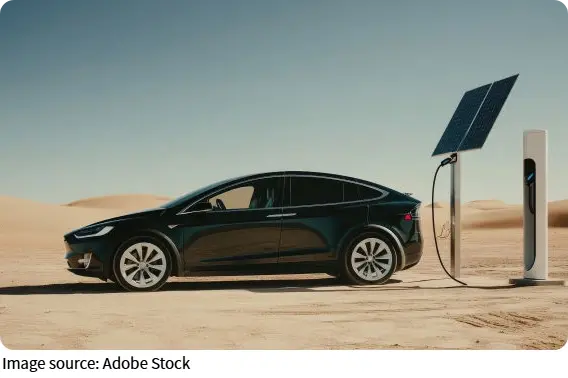
Caring for an EV during hot weather does not require complicated routines. Parking in cooler locations, charging thoughtfully, maintaining the tires, using cabin pre-conditioning when available, and paying attention to vehicle warnings can all support reliable everyday use.
The most important step is to follow the specific recommendations provided for the EV. With sensible habits and a little preparation, drivers can handle hot-weather conditions while keeping the vehicle comfortable, efficient, and ready for the next journey.