Smart Lane Positioning

Caleb Ryan
| 22-09-2026
 · Auto Team
Choosing the right position within a lane is a fundamental part of controlled driving.
Appropriate placement helps the driver maintain awareness, preserve surrounding space, and respond smoothly to changing road conditions.
Effective lane positioning is more than keeping the vehicle between the markings. It involves looking ahead, assessing the road environment, and making measured adjustments when circumstances require them.
Maintain a Stable Lane Position
On a clear, straight section of road, keeping the vehicle reasonably centered provides useful space on both sides. This position can help maintain a consistent path while reducing unnecessary movement toward the curb, road edge, or nearby traffic.
Driving on gravel? The right tire pressure and tread can make rural roads much easier!
Ready for a long highway drive? Use these smart SUV driving to make every mile easier!
Rocky trail ahead? Learn how to protect your SUV while tackling rough and uneven terrain!
Loading up your SUV? Too much weight on the roof can change handling and stability!
A practical guide to preparing your vehicle for cold temperatures, changing road conditions, and comfortable winter travel
How tire grip, braking, cornering, speed, and road conditions influence motorcycle control
Drivers should focus their vision farther ahead rather than constantly watching the area immediately in front of the vehicle. This supports smoother steering and gives more time to recognize changes in the road.
Use Position to Improve the View Ahead
The surrounding environment can affect visibility. Parked vehicles, larger vehicles, bends, and roadside features may restrict the driver's view.
When adequate space is available, a small adjustment within the lane may provide a clearer view of the road ahead. Any adjustment should remain within the lane and maintain comfortable clearance from nearby road users.
When the available space does not allow a suitable position, reducing speed and waiting for the view to open can provide additional time for observation and response.
Manage Space Beside Other Vehicles
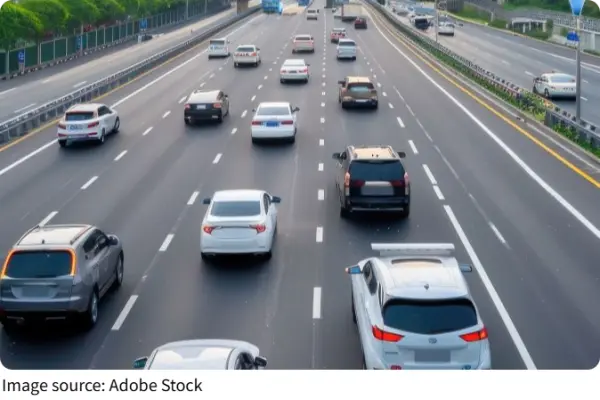
Positioning becomes particularly important when vehicles are traveling alongside one another. Maintaining appropriate lateral space gives the driver more room to manage changes in speed or direction.
During passing or being passed, maintain a steady and predictable path. Before changing lanes, check the mirrors and relevant blind-spot area, signal clearly, and move only when the available gap is sufficient.
Follow the Lane Through Curves
A curve changes the vehicle's direction continuously, making smooth control especially important. Adjust speed appropriately before entering the bend and follow the lane's path without crossing its markings.
Surface conditions can also influence how the vehicle should be positioned. Narrow sections, uneven pavement, construction areas, standing water, and debris may require slower speeds and careful steering. Make only the adjustments necessary to maintain a controlled path.
Prepare for Turns in Advance
Lane selection should be completed before a turn or exit becomes immediate. Identify the appropriate lane early, monitor surrounding traffic, signal, and move when sufficient space is available.
Planning ahead reduces rushed lane changes and helps the vehicle reach the correct position smoothly.
Check Blind Spots Before Moving
Mirrors provide important information but do not cover every area around a vehicle. Before changing lanes, check the mirrors, activate the appropriate signal, and look directly toward the relevant blind-spot area.
Once the surrounding space has been confirmed, make the steering movement smoothly and maintain awareness of traffic throughout the maneuver.
Maintain Consistency in Heavy Traffic
Heavy traffic can create frequent changes in vehicle spacing and speed. A consistent lane position makes the vehicle's movement easier for surrounding drivers to anticipate.
Choose an appropriate lane based on the road and intended route, maintain a steady path, and leave sufficient space from the vehicle ahead. Change lanes when there is a clear reason and adequate room to complete the maneuver comfortably.
A More Controlled Driving Position
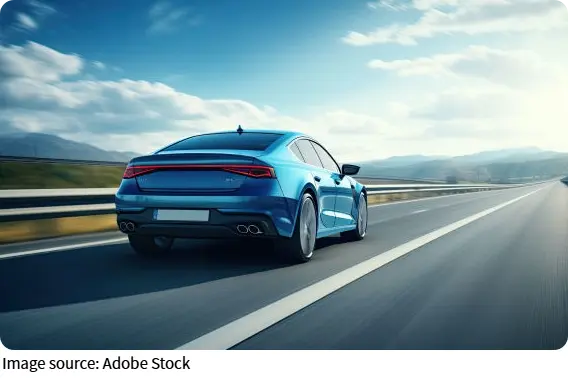
Good lane positioning brings together space, visibility, awareness, and smooth vehicle control. The appropriate position depends on the road layout, surrounding traffic, and current conditions rather than a single fixed point within every lane.
Looking ahead, maintaining suitable clearance, preparing for maneuvers early, and checking the surrounding area before moving can help drivers maintain a stable and predictable path throughout everyday journeys.