Styling With Large Plants

Raghu Yadav
| 13-11-2026
 · Lifestyle Team
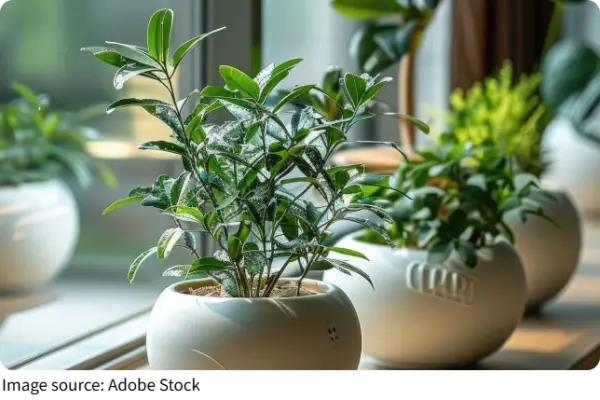
Large houseplants can completely change the atmosphere of a living room. Tall greenery can fill an empty corner, soften strong architectural lines, and introduce natural color without requiring a complete redesign.
When chosen and positioned carefully, large plants can become an important part of the room rather than an afterthought. The key is to balance their size, shape, light requirements, and containers with the furniture and overall style.
Choose the Right Place
Start by looking at the areas of the living room that feel empty or visually unbalanced. Corners beside sofas, cabinets, windows, or open walls can be ideal locations for larger plants.
Light should always come before decoration, so check the needs of each variety before deciding where it will live. Also consider movement through the room. A large plant should not block a doorway, narrow walkway, or frequently used piece of furniture.
Building a jewelry collection?! These five earring styles cover everything from casual to chic!
Looking for the right gold ring?! Explore elegant styles made for different tastes and occasions!
Small changes — from chatting to strangers to taking proper breaks — can make everyday life feel calmer and more enjoyable.
A good routine can help you move forward, but the habit itself may matter far less than the life it helps you build.
Dust seems to return almost as soon as it is removed, but a few changes to your home can make a noticeable difference.
A few well-placed lights can make a big difference! Try simple ways to create a stunning glow!
Use Height to Add Interest
Large houseplants are excellent for introducing vertical interest. If most of the furniture sits at a low level, a tall plant can draw attention upward and make the room feel more layered.
Plants with upright growth can work especially well beside sofas, shelving, or cabinets. Meanwhile, plants with broader foliage can help fill wider spaces and soften empty corners. Think about the ceiling height as well. A very tall plant can emphasize the height of a spacious room, while a medium-sized variety may be better suited to a smaller living area.
Create a Natural Focal Point
One well-positioned large plant can become a focal point without overwhelming the room. Place it where the eye naturally travels, such as beside a seating area or in an otherwise unused corner.
Avoid filling every open space with greenery. Too many large plants can make a living room feel crowded and reduce the impact of each individual plant. For a more balanced arrangement, combine one prominent plant with a few smaller plants placed at different heights. This creates layers while keeping the largest plant as the main feature.
Consider the Shape of the Foliage
The shape and texture of leaves can have a significant effect on the room. Large, broad leaves can create a lush appearance, while narrow or upright foliage can give the space a cleaner, more structured look.
Consider the existing shapes in the room. If the furniture features many straight lines, softer foliage can introduce contrast.
Choose a Container That Complements the Decor
The container is part of the overall design, so its appearance should work with the surrounding interior. Simple neutral finishes can suit modern spaces, while textured or natural-looking materials can add warmth.
Scale matters here, too. A large plant needs a stable container that can support its size and provide enough room for healthy growth.
Work With Natural Light
Large windows can provide excellent natural light, but the amount and intensity can vary throughout the day. Observe how sunlight moves through the room before placing greenery permanently.
Plants that prefer bright indirect light can often work near a well-lit window, while varieties sensitive to strong direct sunlight may need to sit farther away. Sheer curtains can also soften intense light without making the room feel dark.
Keep the Arrangement Balanced
Large greenery should complement the furniture rather than compete with it. A tall plant beside a low sofa can create pleasing contrast, while a broad plant near a large cabinet can help soften its appearance. Leave some open space around the foliage. Negative space allows both the plant and the furniture to remain visually clear.
Remember Everyday Care
Before choosing a large houseplant, consider how much maintenance fits your routine. Large leaves may need occasional cleaning, while watering requirements vary between plant types. Choose a location where the plant can be reached easily for watering, pruning, and general care. A beautiful plant that is difficult to maintain may eventually become more work than expected.
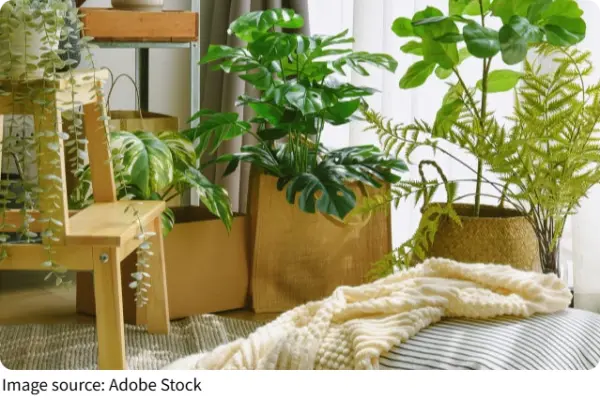
Before buying, measure the corner you have in mind and watch how much light it gets through the day. Start with one large plant there, give it a few weeks, and add smaller plants around it only if the space still feels bare.