Planning Greece Off-Season
Caleb Ryan
| 28-09-2026
 · Travel Team
Friends, Greece feels very different between November and March. Instead of crowded beaches and packed archaeological sites, the cooler months bring quieter streets, calmer landscapes, and a more local pace.
For travelers who do not need warm swimming weather every day, the offseason can be an interesting time to see another side of the country.
When Is the Offseason in Greece?
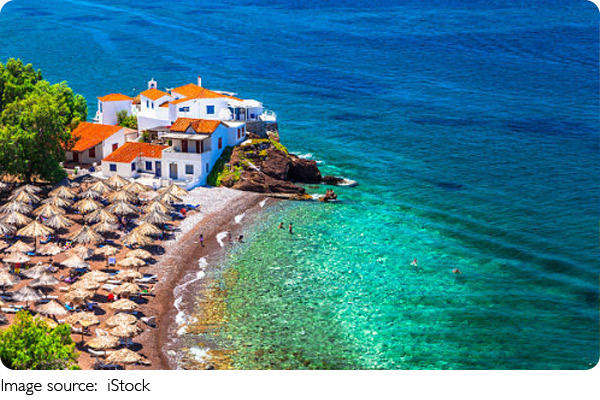
Greece's offseason generally runs from November through March. Temperatures are cooler, and rain is more common, so pack warm layers and a waterproof jacket. The trade-off is fewer visitors. Hiking trails can feel much quieter, ancient sites are easier to explore, and accommodation can be more affordable than during July and August.
Not sure where to stay? Explore Tokyo’s neighborhoods and find a hotel that fits your trip!
Where can you go without a car? Find relaxing escapes, seaside views, and local charm!
Looking for a quick getaway? Enjoy beaches, outdoor fun, local dining, and small-town charm!
Uncover a Croatian coastal city filled with history, nature, culture, and seaside charm!
Ten September destinations: warm beaches, fascinating cities, spectacular wildlife and autumn adventures.
Warm seas, quieter beaches and falling hotel prices make September an excellent month for a European getaway.
Greece
Start With Athens
Athens remains active throughout the colder months. The capital is a useful base for exploring museums, historic landmarks, restaurants, and neighborhoods without the intense summer crowds. The Acropolis remains one of the city's major attractions. The standard ticket is about $35. Winter hours are generally 8:00 AM to 5:00 PM, with the final entry at 4:30 PM.
Accommodation is also easier to find during the offseason, including in central neighborhoods with views toward the Acropolis. Simple rooms can start around $50 to $90 per night, while mid-range hotels commonly cost $90 to $160.
Explore Thessaloniki and Kalamata
The same quieter atmosphere can be found in Thessaloniki and Kalamata. Both are larger population centers, so more restaurants, museums, shops, and everyday services remain open during the colder months. Thessaloniki is particularly suitable for travelers interested in history and city life. Kalamata provides access to southern mainland landscapes and coastal scenery.
Think Carefully About the Islands
Small Greek islands become extremely quiet in the offseason. Many tourism businesses, restaurants, and private boat operators close after the busy months. That does not make the smaller islands impossible to visit, but travelers should check what is operating before arriving. Larger islands are generally easier because they have more permanent communities and services.
Santorini can be an appealing offseason choice. The famous viewpoints around Oia are far less crowded, and visitors can often enjoy the caldera scenery without the summer queues. Crete is another strong option because its large population means plenty remains open.
Travelers can explore Hania, the Palace of Knossos, and the ancient city of Aptera during the cooler season. Corfu, Kefalonia, and Rhodes are also worth considering because their larger towns and established infrastructure make them more practical than tiny islands in winter.
Plan Transportation Carefully
Mainland Greece remains well connected by public buses, trains, and taxis. Typical local bus journeys cost around $2 to $6, while longer intercity journeys can cost approximately $15 to $40 depending on distance. The biggest change during the offseason involves flights and ferries. Some island connections operate less frequently, and certain routes may stop completely for part of the winter.
Ferry journeys commonly start around $25 to $50 for passengers, while longer routes can cost more. Domestic flights can sometimes be found from approximately $50 to $150 one way when booked ahead. Island hopping therefore requires more planning. A route that works easily in July may require returning to Athens during winter before continuing to another island.
Take Advantage of Outdoor Activities
Cooler weather makes hiking more comfortable in many parts of Greece. Samaria Gorge in Crete is one option for travelers interested in dramatic mountain scenery and long walks, although seasonal access should be checked before departure. Greece also has winter landscapes. Travelers looking for skiing or snowboarding can consider mountain areas around Grevena and Metsovo in northern Greece.
Look for Local Festivals
Local festivals known as panigiria take place in towns and villages throughout Greece. Dates vary by location, and smaller events may not be widely advertised. If one happens during your visit, ask locally about the location and schedule. Traditional music, dancing, communal meals, and local customs can make these celebrations a memorable part of an offseason journey.
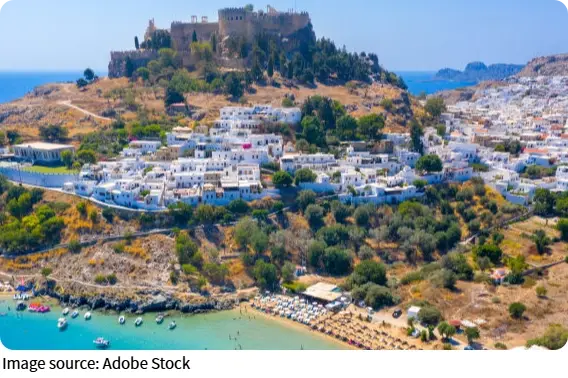
Greece in the offseason is less about beach weather and more about space, history, hiking, local life, and quieter landscapes. Choose larger cities or islands if you want reliable services, check transportation schedules carefully, and leave room for unexpected local experiences.