Koreatown On A Plate

Caleb Ryan
| 09-10-2026
 · Travel Team
Los Angeles has one of the most exciting Korean food scenes in the United States, with Koreatown at its heart. The neighbourhood stretches around Wilshire Boulevard, Vermont Avenue and Western Avenue, bringing together restaurants, markets and family-run businesses.
For visitors, it is one of the best places in the city to discover Korean cuisine beyond the familiar barbecue staples.
How Korean Food Became Part Of LA
A significant milestone came in 1968, when businessman Hi Duk Lee opened Olympic Market, a supermarket serving the growing Korean community. More Korean-owned businesses followed, and Koreatown was officially designated as a district in 1980.
Today, the area is filled with restaurants serving everything from comforting home-style dishes to elaborate Korean barbecue.
Pandas may bring you here, but teahouses, ancient Shu treasures and unforgettable Sichuan food are reasons to stay longer.
Plan a Vietnam trip around its changing climate: rice terraces, dry-season beaches, quieter cities, shoulder-season adventures.
Explore Mount Titano, medieval landmarks, scenic views, museums, and local flavors
Explore Senegal’s mangroves, waterways, islands, birdlife, local culture, accommodation, and coastal cuisine
The Dolomites take on a new character without snow, with lush valleys, lakes, and scenic routes!
No hiking required! Experience Patagonia through wildlife, scenic roads, lakes, and landscapes!
Start With Korean Classics
Korean food in Los Angeles covers a remarkable range of flavours and cooking styles. Korean barbecue remains one of the biggest draws, with bulgogi, galbi, brisket, short rib and marbled cuts cooked over tabletop grills.
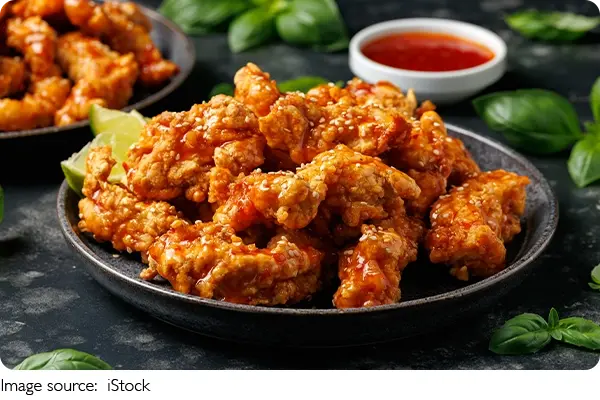
Other dishes deserve equal attention. Sundubu-jjigae, a bubbling tofu stew, is rich, spicy and deeply comforting. Fried chicken comes with crisp coatings and flavours such as soy garlic, while handmade noodles and hearty soups offer a slower, more traditional style of dining.
BTC Chicken
On LA's Westside, BTC Chicken puts a playful spin on Korean comfort food. The casual restaurant combines Korean flavours with tacos, burgers, burritos and crispy double-fried chicken.
Try the soy-garlic chicken, galbi burger or kimchi fried rice with Spam. The menu is particularly appealing for travellers who want familiar fast-food formats with distinctly Korean flavours.
BCD Tofu House
BCD Tofu House has become a Koreatown institution, especially among late-night diners. Complimentary banchan accompany its signature tofu soups, creating a satisfying meal with plenty of variety.
The sundubu is the obvious choice, while galbi and spicy meat bulgogi combinations work well for diners who want something more substantial. Weekend evenings can be especially busy, so arriving early can save time.
O'Sigye
Just off Western Avenue, O'Sigye specialises in dak hanmari, a Korean-style whole-chicken hot pan. The restaurant's approach centres on family traditions and slow-cooked chicken served in a comforting broth.
The chicken noodle soup is a popular choice, while Chicken Gomtang is another house favourite. For groups, the Volcano crab with cold noodles brings a much bolder combination of seafood, noodles and spicy gochujang.
O'Sigye
Sun Nong Dan
Sun Nong Dan is known for hearty Korean dishes and a lively atmosphere, with locations in both Koreatown and Sawtelle.
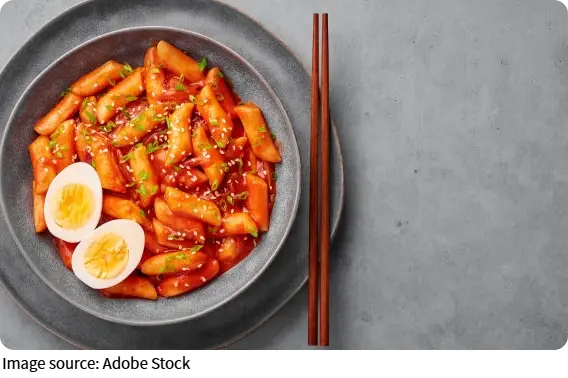
Its galbi jjim, or braised meat, is the standout order. Sulungtang, a creamy ox-bone soup, offers a gentler alternative. Tteokbokki and banchan round out the meal with spicy, savoury flavours.
Quarters Korean BBQ
For a more polished barbecue experience, head to Quarters Korean BBQ in Koreatown. The restaurant focuses on high-quality meat cooked over a hot tabletop grill, including marbled kkotsal, short rib and galbi.
The Wagyu meat, grilled bulgogi, rib eye and short rib are among the most popular choices. Friday and Saturday evenings can involve waits of one to two hours, so an early arrival is worthwhile.
Dan Sung Sa
Dan Sung Sa brings the atmosphere of a Seoul street-food restaurant to Koreatown. Its menu includes kimchi fried rice, skewers, seafood pancakes and cheese corn, making it a fun choice for groups and first-time visitors.
The barbecue skewers are particularly affordable, costing roughly €1.80–€3.60 per serving. The restaurant is popular, so expect a queue during busy evenings.
How To Explore Koreatown
Give yourself several hours to explore the neighbourhood rather than planning a single restaurant stop. Start with a classic tofu soup or barbecue lunch, wander through the surrounding streets and markets, then return later for noodles, skewers or another shared meal.
Popular restaurants can become crowded at weekends, while Sawtelle and Culver City offer additional Korean dining options with potentially shorter waits. For the fullest introduction to LA's Korean food culture, however, Koreatown remains the place to begin.