Best Kitchen Sink Guide

Mason O'Donnell
| 22-10-2026
 · Lifestyle Team
A kitchen sink may seem like a simple fixture, but the right one can make cooking, cleaning, and meal preparation much easier. Size, shape, material, installation style, and everyday habits all affect how well a sink works.
Whether replacing an old sink or planning a new kitchen, a thoughtful choice can improve both convenience and the overall look of the room.
Start With the Right Size
The available counter space should be the first consideration. A large sink can be useful for washing large cookware, trays, and several dishes at once, but it also takes up valuable counter area. A smaller sink may be a better fit for a compact kitchen where preparation space is more important.
Measure the cabinet beneath the counter as well as the opening available for the sink. The sink needs to fit the cabinet dimensions, not just the visible countertop area. It is also worth checking the position of plumbing connections before choosing a particular design.
What makes an outdoor reading break truly comfortable?
Does your living room support the way you actually live?
How can a modern living room stay stylish and practical every day?
Can one room be perfect for both relaxing and reading?
Wood, fabric, or leather for your dining chairs? Here's how each one actually holds up.
Six Easy Indoor Plants That Make Your Living Room Look Stylish, Fresh, and Welcoming With Little Effort.
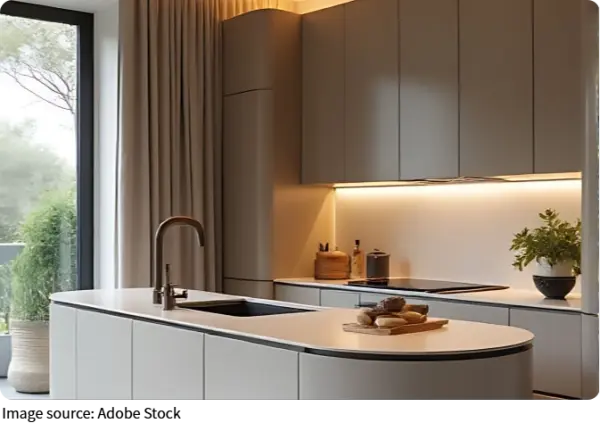
Choose a Practical Sink Shape
Rectangular sinks remain a popular choice because they offer plenty of usable space and work well with many kitchen layouts. Square designs can provide a clean, modern appearance, while rounded corners can make cleaning easier by reducing tight areas where residue may collect.
The number of basins also matters. A single-basin sink provides one large open area, which can be convenient for washing large cookware. A double-basin design separates tasks, allowing one side to be used for washing while the other handles rinsing or other preparation work.
Compare Sink Materials
Different materials offer different combinations of appearance, durability, maintenance, and cost.
Stainless steel is a versatile option that suits many kitchen styles. It is generally easy to clean and available in various finishes and thicknesses. Its appearance can change over time with scratches, water marks, or signs of regular use.
Granite composite sinks are made from a mixture of stone material and resin. They can provide a solid, textured appearance and are available in several colors. Their heavier construction means the cabinet and installation method should be suitable for the sink's weight.
Fireclay sinks have a smooth, substantial appearance and are often associated with traditional or farmhouse-style kitchens. Their larger size and weight require careful planning before installation.
Think About Installation Style
The installation method affects both appearance and cleaning.
An undermount sink sits below the countertop surface, creating a smooth transition that makes it easier to sweep crumbs and water directly into the basin. This style generally requires a suitable solid countertop.
A top-mount sink fits into an opening in the countertop, with the rim resting above the surface. It is widely used and can be practical when replacing an existing sink.
An integrated sink is designed to form a continuous surface with the countertop. This can create a streamlined appearance, although replacement and repair may require more specialized work.
Consider Everyday Features
Think about how the sink will actually be used. A deeper basin can provide extra room for large cookware, while a shallower design may be more comfortable for frequent washing. The position and number of faucet holes should also match the faucet and accessories being considered.
Useful accessories can include a removable draining rack, sink grid, cutting board, or strainer. These additions can increase the working area and help organize different tasks without requiring a larger sink.
Match the Sink to the Kitchen
The best sink should complement the kitchen rather than compete with it. Consider the countertop, cabinets, faucet, and overall design before settling on a finish or shape. A simple stainless-steel sink can work with many styles, while a more distinctive material can become a visual feature.
Maintenance should also influence the decision. Choose a surface that fits the amount of cleaning and upkeep that feels reasonable. A beautiful sink is less useful if maintaining its appearance becomes a constant chore.
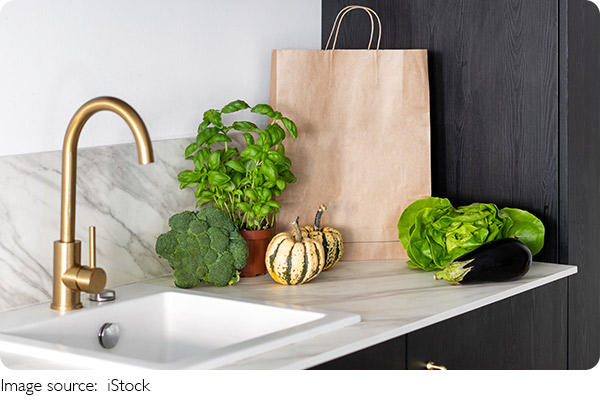
Choosing the best kitchen sink comes down to balancing space, function, material, installation, and appearance. Start by measuring carefully, then consider how dishes, cookware, and food preparation are handled each day. A sink that fits both the kitchen and its routine can provide lasting convenience while helping the entire space feel more practical and complete.