Chrysanthemum Care Tips

Mukesh Kumar
| 22-10-2026
 · Plant Team
Chrysanthemums bring cheerful color to patios, balconies, and garden corners with their rich shades of yellow, pink, purple, red, and white. Their layered petals and rounded flower heads create an attractive display, especially during the cooler months.
With the right growing conditions and regular care, these flowering plants can thrive in containers and brighten outdoor spaces for weeks.
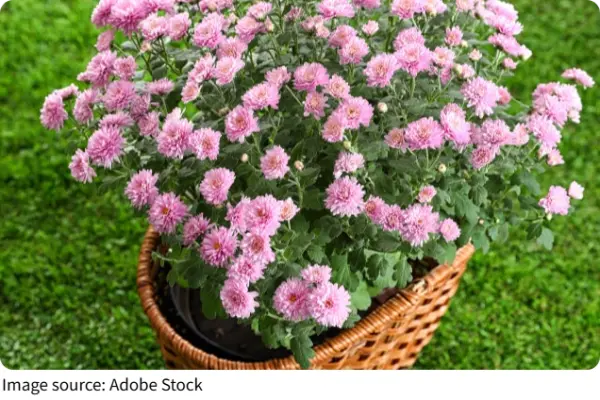
Choose a Suitable Container
Chrysanthemums need enough room for their roots to develop comfortably. Select a container with drainage holes at the bottom so excess water can escape easily. Poor drainage can leave the roots sitting in water, increasing the risk of root problems.
Choose a container that provides enough space for the plant's root system without being excessively large. A medium-sized option works well for many young chrysanthemums, although mature plants may need more room. Make sure the container is sturdy enough to support the plant as its foliage and flowers grow.
Want elegant blooms in your garden? Learn how to grow calla lilies with lush leaves and vibrant flowers!
White Tulips Hold Beautiful Meanings of Pure Love, Forgiveness, Respect, Elegance, and Memories That Stay With Us
Your Orchid Has Finished Blooming, but These Four Simple Care Steps Can Help It Flower Again Next Season
Want Your Roses to Stay Fresh Longer? These Simple Care Tips Can Help Keep Their Beauty Alive for More Days
How Can We Keep Sunflowers Fresh Longer? Try These Simple Florist Tips for Brighter, Longer-Lasting Blooms
Scientists reveal how tropical trees evolved a remarkable survival strategy that could inspire future drought-resistant crops.
If several chrysanthemums are being grown together, leave adequate space between them. Good airflow helps the leaves dry after watering and reduces the likelihood of fungal problems.
Use Well-Draining Growing Mix
Healthy roots begin with suitable growing material. Chrysanthemums generally perform well in a quality commercial potting mix designed for flowering plants. Look for a lightweight blend that retains some moisture while allowing excess water to drain. Avoid using dense garden soil on its own because it can become compacted in a container. Compacted soil restricts airflow around the roots and may hold too much water.
Before planting, fill the container with the growing mix, leaving enough space near the top for watering. Position the chrysanthemum so the top of its root ball sits close to the soil surface, then gently firm the mix around it. Water thoroughly to help the roots settle into their new environment.
Provide Plenty of Sunlight
Chrysanthemums need ample sunlight to grow well and produce abundant flowers. Place them where they can receive around six hours of direct sunlight daily. A sunny patio, balcony, or bright garden area can provide suitable conditions. In regions with intense afternoon heat, some protection during the hottest hours may help prevent wilting and leaf stress. Morning sunlight, combined with lighter afternoon shade, can be useful when temperatures are particularly high.
Water Consistently
Regular watering is essential while chrysanthemums are developing leaves, buds, and flowers. Check the growing mix by touching the surface. If the top layer feels dry, water slowly until excess moisture begins to drain from the bottom. Avoid watering automatically on a rigid schedule. Warm weather, wind, sunlight, and container size all influence how quickly the growing mix dries. Plants in sunny locations may need more frequent watering than those kept in partially shaded areas.
Feed for Healthy Flowers
Chrysanthemums benefit from regular nutrition during active growth. A balanced fertilizer formulated for flowering plants can support healthy foliage and bud development. Follow the product instructions carefully, since excessive fertilizer may encourage leafy growth at the expense of flowers. Once flower buds begin to form, avoid adding more fertilizer than recommended. Different varieties have different growth habits, so observe the plant's condition and adjust care accordingly.
Encourage Fuller Growth
Some chrysanthemum varieties benefit from pinching during their early growth stage. This involves removing the growing tips of young stems to encourage branching, resulting in a fuller plant with more potential flowering points. Pinching is usually done before flower buds begin forming. Once buds appear, stop pinching so the plant can concentrate on developing its blooms. Compact varieties may already have a naturally rounded shape and require little additional trimming.
Protect Plants Through the Seasons
Chrysanthemums often look their best in cooler weather, although suitable growing conditions vary by variety. During hot periods, monitor moisture levels closely and move containers away from harsh afternoon sunlight if necessary. In cooler climates, protect plants from severe frost. Some varieties can return in the following growing season, while others are commonly treated as seasonal displays. Check the needs of the particular variety before deciding whether to keep it for another year.

Growing chrysanthemums in containers is a practical way to add vibrant flowers to patios, balconies, and small outdoor areas. Choose a container with good drainage, provide plenty of sunlight, maintain consistent moisture, and feed the plants appropriately. With a little attention to their growing needs, chrysanthemums can reward gardeners with a colorful display that brightens the outdoor space throughout their flowering season.