Aberdare: Kenya’s Highland!
Caleb Ryan
| 20-10-2026
 · Travel Team
Aberdare National Park offers a refreshing alternative to Kenya’s classic savanna safaris. Located in the central highlands, the park combines misty mountain forests, dramatic waterfalls, open moorlands, and diverse wildlife.
Its cooler climate and changing landscapes make it an appealing destination for travelers who enjoy scenic drives, birdwatching, and guided outdoor adventures.

Discover Aberdare’s Forests and Waterfalls
The park’s dense forests create a striking contrast with the open grasslands found in other parts of Kenya. Tall trees, moss-covered branches, and thick vegetation give the highlands a cool, atmospheric character. Waterfalls are among the region’s most impressive natural features, with Karuru and Gura Falls attracting visitors interested in dramatic scenery and photography.
Explore Botswana’s Nxai Pan National Park, known for vast salt pans, iconic baobab trees, and remarkable wildlife encounters!
A wild Patagonian rainforest offers lush landscapes, rich wildlife, and a quieter side of South America!
Discover Salto Grande Falls, Where Turquoise Lakes and Patagonian Mountain Views Create an Unforgettable Travel Experience!
Dreaming of a Caribbean escape? Explore sandy beaches, vibrant culture, and unforgettable adventures in the Dominican Republic!
What makes Badlands National Park unforgettable? Explore rugged landscapes, unique rock formations, and incredible wildlife!
Want to explore Korea with ease? Find train tips, routes, and smart ways to travel between cities!
Rainfall can make waterfalls more powerful, but wet conditions may also complicate access. Travelers should check road conditions and follow guidance from park staff before approaching viewpoints.
The higher moorlands offer a different landscape, featuring broad grass-covered slopes, rocky formations, and expansive views. Mount Satima is a popular objective for organized hiking trips, although the route requires suitable preparation and favorable weather.
Aberdare National Park
Look for Wildlife in the Highlands
Aberdare supports a variety of mammals, including elephants, buffaloes, waterbucks, and blue monkeys. Animals can be difficult to spot in thick forest, so wildlife viewing often requires patience. Some visitors choose accommodation near a waterhole, where animals may appear throughout the day or evening.
The park is also known for its conservation importance. The mountain bongo, a rare forest antelope, is associated with the Aberdare highlands, although seeing one in the wild is exceptionally unlikely. Birdwatchers can look for forest species such as Hartlaub’s turaco, alongside birds that inhabit more open highland areas. A local guide can help identify species and explain how wildlife uses the different habitats.
Choose the Best Time to Visit
January and February are often useful months for hiking and scenic drives because conditions can be relatively dry. June through September can also offer favorable opportunities for exploring the highlands, although cold temperatures, mist, and showers remain possible.
Rainier periods can produce impressive waterfall displays and greener scenery, but muddy roads may slow travel. Start hikes early, carry waterproof clothing, and allow extra time for driving. Conditions at higher elevations can differ significantly from those in nearby towns.
How to Get There
Nyeri and Mweiga are useful starting points for visitors approaching the eastern side of the park. Travelers coming from the Rift Valley may consider access from the Naivasha side, depending on their planned activities. A capable four-wheel-drive vehicle is recommended for routes with steep gradients, rough surfaces, or muddy sections. Confirm the correct gate and road conditions before departure rather than assuming that every road shown on a map is open to visitors.
Estimated Travel Costs
Park admission: Approximately US$70 per international visitor per day.
Accommodation: Budget around US$60–150 per night for a standard room outside the park, depending on the property and season.
Meals: Approximately US$20–40 per person per day for modest dining.
Car rental: Around US$50–120 per day for a suitable vehicle, depending on rental terms and vehicle type.
Guided hiking: Allow approximately US$30–100 per person as a preliminary estimate, subject to guide arrangements, group size, and additional park charges.
Where to Stay
The Ark is known for its forest setting and wildlife-viewing experience near a waterhole. Treetops is another historic name associated with accommodation in the area, but travelers should verify its current operating status and arrangements before booking. Other options include lodges, camps, and accommodation outside the park near Nyeri or Mweiga.
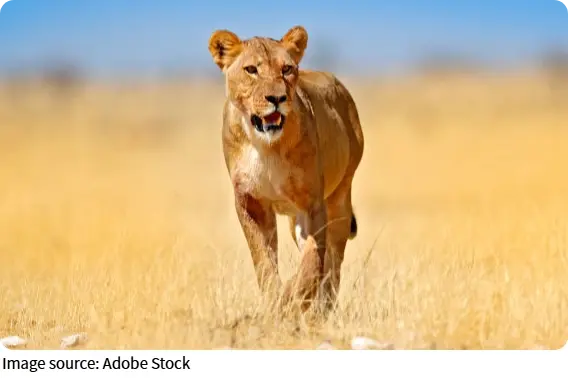
Aberdare National Park combines highland scenery, forest wildlife, and impressive waterfalls in one of Kenya’s most distinctive natural areas. With suitable transport, realistic expectations, and enough time to account for changing weather, visitors can enjoy a rewarding experience beyond the country’s better-known safari landscapes. A carefully planned visit allows the forests, moorlands, and mountain views to become the highlights of the journey.