Take Care Of Pothos

Liam Reilly
| 05-11-2026
 · Plant Team
Pothos is one of the most popular indoor plants, loved for its trailing vines and attractive, heart-shaped leaves. Available in green, golden, and variegated varieties, it brings a fresh touch of greenery to shelves, hanging baskets, and indoor corners.
Known for being adaptable and relatively easy to care for, pothos can thrive in many home environments. With suitable lighting, careful watering, and occasional pruning, its vines can remain healthy and attractive throughout the year.
Provide the Right Amount of Light
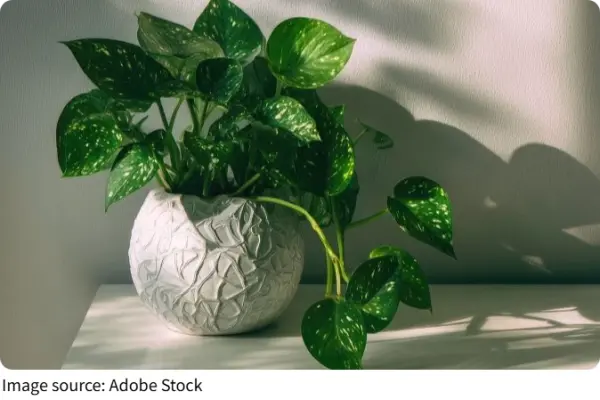
Pothos grows best in bright, indirect light, although wide varieties tolerate lower-light conditions. Place it near a window with filtered sunlight or somewhere that receives plenty of natural daylight without prolonged exposure to harsh afternoon sun.
Is Your Monstera Growing Small Leaves Without Splits? These Simple Care Tips Can Help It Thrive Indoors
Watch a Tiny Dandelion Seed Grow Into a Golden Flower and Discover the Amazing Journey Behind Its Fluffy White Seeds
Can scientists create a truly blue rose? A new pigment breakthrough brings this floral dream closer!
A chance photo helped scientists locate a rare giant water lily in Colombia, with few plants left in the wild!
Eight-year study: sunlight, recycled nutrients, smarter greenhouses can transform sustainable food production.
Scientists found why some ecosystems thrive despite environmental threats, offering lessons for protecting nature.
Too much direct sunlight can scorch the leaves, while insufficient light may cause slower growth, smaller leaves, and longer gaps between them. Variegated varieties may also produce less distinct markings in dim conditions.
If your pothos begins looking sparse, gradually move it to a brighter location. Avoid sudden changes in lighting, and rotate the plant occasionally to encourage more balanced growth.
During winter, we can move the plant closer to a bright window because natural light is often weaker. Keep it away from cold drafts and sudden temperature changes. If the stems become long and thin with large gaps between leaves, the plant may not be receiving enough light. Gradually moving it to a brighter spot can encourage fuller growth.
Water with Care
This plant enjoys lightly moist soil but does not grow well when its roots remain wet for too long. Instead of watering automatically every day, check the upper inch of soil with your finger. If it feels dry, water thoroughly and allow excess moisture to drain away.
In spring and summer, warmer temperatures and active growth may increase water needs. During autumn, growth often slows, so we can water less frequently. In winter, check the soil before each watering because cooler conditions usually mean slower moisture loss.
Choose a container with drainage holes and empty any water that has collected in its tray. Yellow leaves and constantly wet soil may indicate overwatering, while drooping leaves and very dry soil can signal a need for water.
Choose the Right Soil
A loose, airy growing medium helps roots receive both moisture and oxygen. Heavy soil that stays wet for long periods can prevent healthy root development.
We can use a quality indoor tropical plant mix or combine equal parts leaf compost, garden soil, and peat-based growing medium, adding a little coarse sand to improve drainage. Check that water passes through the mix easily after watering.
When roots begin to fill the container or to emerge through its drainage holes, consider repotting into a slightly larger one. Spring is often a convenient time because the plant can adjust as new growth begins.
Feed During Active Growth
From spring through summer, regular feeding supports healthy leaves and developing stems. Use a balanced liquid houseplant fertilizer diluted to half the label's recommended strength. Feeding every two to four weeks can work well during active growth.
Avoid applying extra fertilizer to solve every leaf problem. Too much can damage roots and leave mineral deposits in the soil. When growth slows in late autumn and winter, reduce feeding or pause it until the plant begins growing actively again. After repotting, allow the roots time to settle before feeding.
Maintain Warmth and Humidity
Heartleaf philodendrons generally prefer temperatures between 20°C and 30°C. Keep the plant above 10°C in winter when possible, and protect it from cold air entering through open windows.
Moderate humidity helps maintain fresh foliage. We can use a humidifier or place several houseplants together to create a more comfortable environment. A humidity level around 50% to 60% is a useful target. Good air circulation also matters, so avoid crowded corners where moisture tends to linger.
Shape and Clean the Plant
This versatile plant can climb a support or trail naturally from a shelf. For upward growth, provide a sturdy moss pole and guide the stems with soft plant ties. For a hanging display, allow the branches to flow freely, trimming overly long growth when necessary.
Remove yellow or dried leaves with clean pruning tools. Gently wipe dusty foliage with a damp cloth to keep it looking fresh. Check the undersides of leaves regularly for spider mites and aphids. If pests appear, rinse the foliage and use a suitable houseplant treatment according to its label.
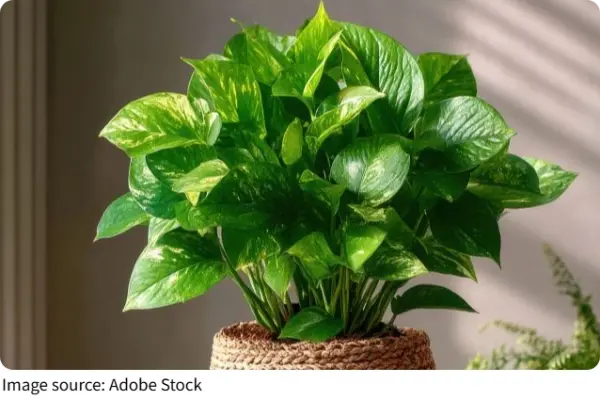
With indirect light, careful watering, airy soil, and comfortable warmth, we can help a heartleaf philodendron thrive indoors. Small seasonal adjustments and regular leaf checks make caring for it easier.
Friends, would you prefer to display this plant on a high shelf or train it to climb a support? Share your favorite idea and enjoy bringing more natural greenery into your home.