Pick the Right Potting Soil

Caleb Ryan
| 03-11-2026
 · Plant Team
Imagine this: you grab a bag labeled potting soil, tip it into a container, and figure that's that. Right?
In truth, that one bag won't suit everything on your shelf, and the plants that suffer most are often the ones getting the wrong mix entirely.
Why the bag matters more than you think
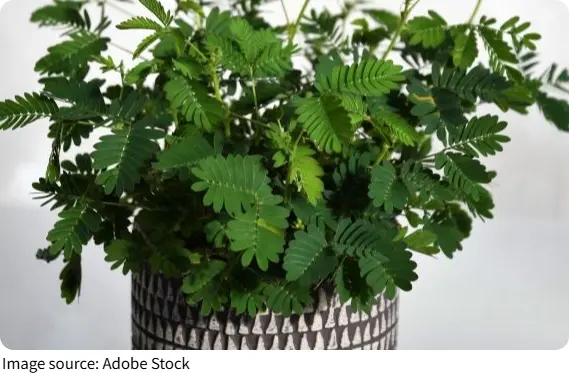
Regular garden soil packed into a container turns into a dense brick. It holds water too long, roots suffocate, and the plant stalls out. Potting mix is built differently, usually around peat moss or coco coir for moisture, perlite for airflow, and bark or compost for structure. A standard all-purpose mix works well for many houseplants, but it's a compromise, not a universal solution. A tomato and a cactus in that mix are living two very different lives.
Light, water, and airflow account for most houseplant failures, and each is fixable.
Light, roots, and feeding decide how fast a houseplant actually moves. Fix it, and growth picks up
How do aspens respond to drought? Scientists reveal how dry years can leave lasting marks on their leaves!
Global review reveals major gaps in understanding how climate change affects the world's richest ecosystems.
Want a thriving jade plant indoors? Learn simple care tips for healthy leaves and steady growth!
Discover How Pothos Brings Fresh Greenery Into Your Home With Simple Care Tips for Beautiful Leaves All Year Round.
Succulents need to drain fast
Succulents and cacti rot in heavy, wet soil. What they want is something gritty that sheds water almost immediately, so look for a mix with a high perlite or pumice content, often sold as a cactus or succulent blend. You can also make your own by cutting an all-purpose mix with an equal part perlite and a handful of coarse sand. Water runs straight through, roots stay dry between drinks, and your jade plant stops dropping leaves.
Orchids grow in bark, not soil
This trips people up constantly. Orchids are epiphytes, meaning they cling to trees in the wild rather than rooting in the ground. Standard potting soil smothers their roots. Buy a dedicated orchid mix made from fir bark, charcoal, and perlite chunks, and repot every year or two as the bark breaks down.
Tropicals like it rich and airy
Monstera, pothos, and philodendron grow fast and drink steadily, so they handle a moisture-retentive mix. A blend of coco coir, perlite, and a little compost keeps things light while holding enough water so you're not watering every other day. Add orchid bark to the mix for extra drainage if your plant sits in a plastic nursery container.
Herbs and veggies want consistency
Basil, parsley, and cherry tomatoes in containers are heavy feeders with fast root growth. They do well in a quality all-purpose mix amended with compost, and they benefit from a slow-release fertilizer blended in at planting. Skip the gritty succulent blends here, since they dry out too quickly for thirsty crops.
Read the label before you buy
Flip the bag over. Look for the ingredient list, not just the pretty photo. A mix listing peat moss, perlite, and compost is a solid starting point. If it feels heavy and clumps in your hand, it'll do the same in the cooking vessel. And if a bag smells sour or has white mold on top, leave it on the shelf.
All in all, you've got to match the mix to the plant, not the other way around, and you'll spend less time rescuing soggy roots. Next time you're at the garden center, read that ingredient list before you commit, and your plants will thank you for it.