How to Boil Cassava

Naveen Kumar
| 03-11-2026
 · Food Team
Cassava is a versatile root vegetable enjoyed in many kitchens around the world. When cooked properly, it becomes soft, tender, and slightly creamy, making it a satisfying addition to breakfast, lunch, or an afternoon snack.
It can be served on its own with a little salt or paired with sauces and other simple accompaniments.
Choosing and Preparing Cassava
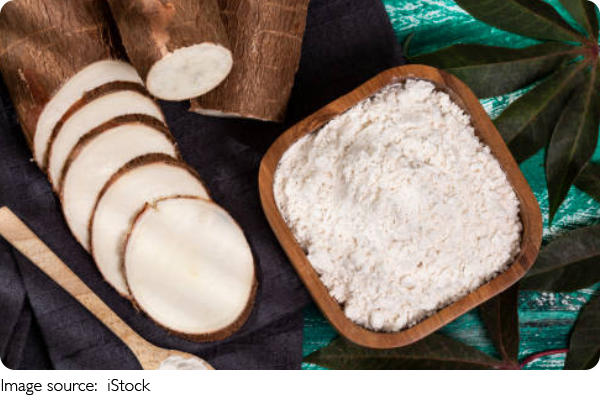
Start with fresh cassava roots that feel firm and have no extensive soft spots, mold, or unpleasant odors. Freshness helps produce a better texture after cooking. When possible, choose roots that are similar in thickness so the pieces cook at roughly the same rate.
Rinse the roots under running water to remove dirt. Cut off both ends, then divide the roots into manageable sections. Remove the thick brown outer skin and the thinner layer beneath it to expose the white flesh.
Sweet roasted pumpkin, fragrant Thai spices and silky coconut sauce come together in a comforting noodle dish ready in 40 minutes.
Turn everyday bread, beans and a few simple ingredients into delicious family dinners that require minimal effort and preparation.
Discover how to bake beautifully risen, golden scones with a soft, tender centre using just a handful of everyday ingredients.
Fresh asparagus can turn everyday ingredients into pasta, golden pastry, crunchy salads and comforting family meals.
Want something different to sip? Try pumpkin horchata for a creamy twist on a classic drink!
Need a fresh meal idea? Try three vegetarian pasta recipes filled with bright spring flavors!
Cut the peeled cassava into chunks of similar size. Remove any hard sections that are easy to separate, especially when preparing older roots.
Ingredients
This basic method keeps the flavor simple and lets the natural texture of the cassava stand out. You will need:
- 1 kg fresh cassava roots
- Water, enough to cover the pieces
- ½ to 1 tsp salt, to taste
This makes 3 to 4 servings. Preparation takes 10 to 15 minutes, and cooking takes about 20 to 35 minutes, depending on the variety and size of the roots. For equipment, have ready:
- A chopping board
- A large pan with a lid
- A fork for checking tenderness
- A colander for draining
Steps
Once the roots are peeled and cut, the cooking itself is simple:
1. Prepare the roots. Wash, peel, and cut the cassava into evenly sized chunks as described above.
2. Add water and salt. Place the pieces in a large pan and add enough water to cover them completely. Add the salt, then set the pan over medium-high heat.
3. Bring to a boil. Once the water bubbles steadily, lower the heat slightly so the cassava cooks at a steady simmer rather than splashing.
4. Cook until tender. Partially cover the pan and simmer for about 20 to 35 minutes. Cooking time depends on the root's freshness, age, thickness, and variety, so check the pieces after about 20 minutes.
5. Test the texture. Insert a fork into the thickest piece. Properly cooked cassava should be soft enough for the fork to pass through easily. The flesh may begin to split along its natural lines as it softens.
6. Drain carefully. Once fully tender, turn off the heat and drain the water in a colander. Handle the pieces gently, as very soft cassava breaks apart easily.
7. Serve warm. Let excess moisture escape for a minute or two, then transfer the cassava to a serving dish, add a small pinch of salt if needed, and serve.
Tips for Soft and Tender Results
The most important factor is even preparation. Large chunks take longer to cook, while smaller pieces soften sooner. Keeping the pieces similar in size makes it easier to get a consistent texture without leaving some sections firm.
Fresh cassava can vary in texture, so adding more water will not always solve the problem. Roots that stay unusually hard may be unsuitable for boiling. Do not eat cassava that has not softened completely.
Serving and Storage
Boiled cassava can be served as a warm side dish, paired with vegetables, or enjoyed as a simple snack. Its mild flavor works well with savory seasonings, fresh herbs, a simple herb dressing, grated coconut, or a mild dipping sauce. Keep additions light so the soft texture remains the main feature.
Refrigerate leftovers promptly in a covered container and use them within three to four days. Reheat thoroughly before serving, adding a little water when needed to prevent the pieces from drying out.
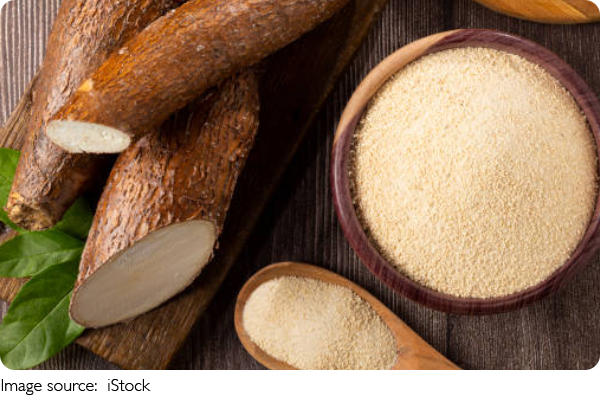
Most of the work in boiling cassava lies in peeling well and cutting even pieces. For a change from plain boiled cassava, slice cooled, fully cooked pieces and pan-fry them until lightly golden.