Growing Zebra Mallow

Naveen Kumar
| 30-10-2026
 · Plant Team
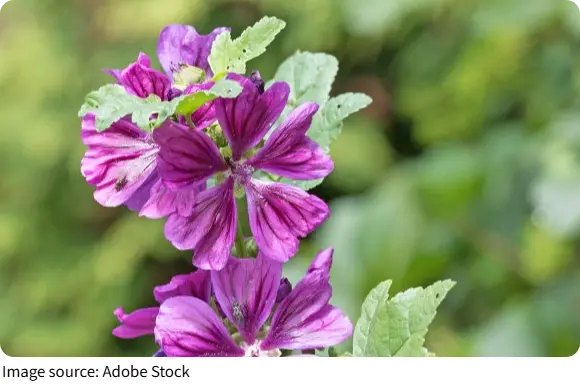
Malva ‘Zebrina’, also known as zebra mallow, adds charm to a garden with its delicate pinkish-lilac flowers and distinctive dark purple stripes. Its blooms stand out against green foliage, making it a lovely choice for sunny borders and cottage-style gardens.
Growing this flowering plant from seed is relatively simple, and with suitable sunlight, well-drained soil, and regular care, it can provide color throughout the warmer months.
Meet the Zebra Mallow
Zebra mallow belongs to the Malva genus, a group of flowering plants known for their attractive blooms. It generally grows into an upright, bushy plant, often reaching around 60–120 centimeters tall, depending on its growing conditions. Its most noticeable feature is the pattern on its petals. Pale pink or lilac flowers display deep purple veins that spread from the center, creating the appearance of stripes.
How Africa's Amazing Baobab Trees Store Water, Feed Wildlife, and Help People Survive Long Dry Seasons Each Year
Ancient extreme warmth may explain how flowering plants became Earth’s most diverse and successful plant group.
Wildlife populations have declined sharply, but scientists warn that major monitoring gaps could hide an even bigger crisis.
How do plants fight hungry pests? They recruit helpful wasps to protect their precious leaves!
How can small herbicide amounts affect plants? Explore the science behind unexpected growth!
Want Bigger Hydrangea Blooms? These Simple Care Tips Can Fill Your Garden With Stunning Colors All Season Long
Flowering usually occurs in summer and may continue into autumn when conditions remain favorable. Although often grown as a perennial, zebra mallow can be relatively short-lived. It may also produce seedlings naturally, allowing new plants to appear near the original one.
Choose the Right Growing Location
Select a location that receives plenty of sunlight. Full sun generally encourages healthy growth and abundant flowers, while partial shade can be helpful in areas with particularly hot afternoons. The soil should drain well. Zebra mallow can grow in different soil types, including sandy, loamy, and clay soils, as long as water does not remain around the roots for long periods. Poor drainage can lead to root problems and weaken the plant.
In regions with cold winters, seeds can be started indoors in late winter or spring. Outdoor sowing is also possible when the weather is suitable and the risk of frost has passed. Adjust planting time to the local climate.
How to Sow the Seeds
Fill a seed tray or small container with moist seed-starting compost. Place the seeds on the surface, press them gently into the compost, and cover them with only a thin layer of fine growing medium. Planting too deeply can make it harder for seedlings to emerge. Keep the compost evenly moist, but avoid soaking it. A temperature of approximately 15–20°C is suitable for indoor germination. Under favorable conditions, seedlings may appear within two to three weeks, although timing can vary.
Once the seedlings are large enough to handle, move each one carefully into an individual container with fresh growing medium. Avoid squeezing the stems or disturbing the roots more than necessary. Hold seedlings by their leaves when moving them.
Planting and Early Care
Before transferring young plants outdoors, gradually expose them to outdoor conditions over several days. This helps them adjust to changes in sunlight, wind, and temperature. Choose a permanent growing position with enough room for the plants to spread. Spacing them approximately 45–60 centimeters apart can improve airflow and reduce overcrowding. Zebra mallow works well in flower borders and can also grow in a large outdoor planter with drainage holes.
Water after planting to help settle the soil around the roots. During the first few weeks, check the ground regularly and water when the surface begins to dry. Once established, the plant generally needs less frequent attention.
Encourage Healthy Flowers
Zebra mallow usually grows well without heavy feeding. Extremely rich soil may encourage excessive leafy growth and tall stems rather than a compact shape. Ordinary garden soil with good drainage is often sufficient. During prolonged dry weather, provide extra water, especially while the plant is establishing itself. Avoid leaving the soil constantly wet, and give the foliage enough space for air to circulate.
Manage Seeds and New Plants
Zebra mallow may spread naturally when mature seed heads release their seeds. New seedlings can appear around the original plant in a later growing season, helping fill gaps in the garden. Allow some seed heads to mature when additional plants are wanted. Remove unwanted seedlings while they are small, or deadhead faded flowers before seeds develop to limit self-seeding.
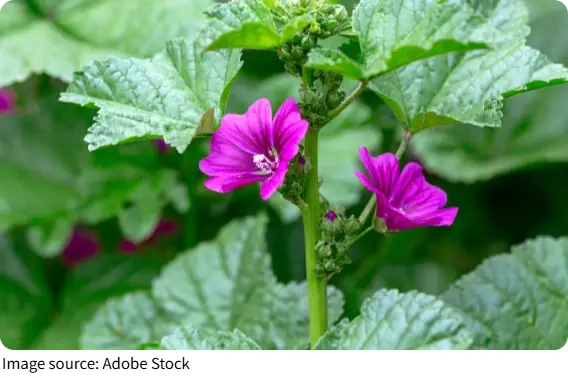
Growing zebra mallow from seed is a straightforward way to introduce unusual color and pattern to a garden. Provide suitable light, shallow sowing, gentle moisture during germination, and well-drained soil for the best start. With occasional pruning and simple maintenance, Malva ‘Zebrina’ can reward gardeners with striped summer flowers and new seedlings in the seasons that follow. Its attractive appearance and manageable needs make it a worthwhile addition to a sunny flower border.