Green Living Style

Pardeep Singh
| 09-11-2026
 · Plant Team
A living room filled with greenery can feel warmer, more inviting, and more connected to nature. Yet creating an attractive indoor garden involves more than placing a few plants beside the furniture.
The most successful arrangements consider both design and plant health. Light, space, containers, and everyday care all influence how greenery fits into a room. With thoughtful choices, plants can become a natural part of your interior rather than decorations that require constant attention.
Choose Plants That Suit Your Space
Before introducing new plants, consider the conditions your living room provides. Natural light, available space, temperature, and your daily routine all influence which species are likely to thrive.
Discover How Simple Planting, Watering, and Pruning Tips Can Help Your Hydrangeas Grow Beautiful Blooms at Home
The remarkable science behind flowers that open after sunset, attract nocturnal pollinators, and fade with the morning light
Want a garden full of color? Hydrangeas bring beautiful blooms, soft textures, and charm outdoors
Want fuller blooms? Get simple pruning tips for baby's breath to keep plants neat and flowering
Learn to turn simple stones into a beautiful garden
How Africa's Amazing Baobab Trees Store Water, Feed Wildlife, and Help People Survive Long Dry Seasons Each Year
Observe how sunlight enters the room throughout the day. In the Northern Hemisphere, south-facing windows generally receive more direct sunlight than north-facing ones, while east-facing windows often provide gentler morning light. These patterns are reversed in the Southern Hemisphere, and nearby buildings or trees can significantly change the amount of light available.
Plants such as snake plants and ZZ plants tolerate relatively low indoor light, although they still need some illumination. Pothos and many philodendrons grow well in bright, indirect light, while some succulents require several hours of stronger sunlight.
Choosing plants according to their needs makes maintenance easier and helps prevent weak growth, leaf damage, and unnecessary relocation.
Create Depth with Different Heights
A visually balanced arrangement uses plants at different levels rather than placing every container on the same surface.
Tall plants can soften empty corners, frame a sofa, or provide a natural transition between large furniture pieces. Medium-sized plants work well on stands and side tables, while smaller varieties can add detail to shelves and windowsills.
Trailing plants, such as pothos, can introduce movement along the edges of shelves or cabinets. Upright plants offer a contrasting shape that helps prevent the arrangement from looking too uniform.
Consider the mature size of each plant before deciding where it belongs. Leave enough space for foliage to expand, and avoid placing smaller plants where taller specimens will block the light they need.
The aim is to create a layered composition that feels intentional without making the room crowded.
Make Containers Part of the Design
Plant containers influence both the appearance of a room and the health of the plants growing inside them.
Choose materials, colors, and shapes that complement your furniture and existing decorative elements. Neutral ceramics can create a calm, cohesive look, while textured terracotta, woven covers, or contrasting finishes can introduce visual interest.
Practical considerations are equally important. Containers with drainage holes allow excess water to escape, reducing the risk of waterlogged growing media.
If you prefer decorative pots without drainage holes, keep plants in removable nursery pots inside them. This allows you to water the plant separately and empty any water that collects in the outer container.
Use waterproof saucers or trays to protect wooden furniture and flooring. A beautiful arrangement should not create moisture damage or make routine care unnecessarily difficult.
Build Simple Plant-Care Habits
Healthy indoor greenery depends more on consistent observation than on a rigid maintenance schedule.
Instead of watering every plant on the same day, check the moisture level of its growing medium. Many common houseplants benefit from allowing the upper layer to dry between waterings, although the appropriate depth varies by species.
When watering is needed, moisten the growing medium thoroughly and allow excess water to drain. Avoid leaving containers standing in collected water for extended periods.
Light also influences plant growth. Specimens positioned near windows may gradually lean toward the strongest light source. Rotating suitable plants occasionally can encourage more balanced growth, although flowering plants or those sensitive to repositioning may be better left undisturbed.
Dust can accumulate on broad leaves, reducing their appearance and limiting the light reaching the surface. Gently clean suitable foliage with a soft, damp cloth, and remove damaged or completely dried leaves using clean tools.
These small habits help plants remain attractive without turning their care into a demanding daily task.
Arrange Greenery Around Daily Life
Plants should complement the way a living room is used rather than interfere with movement, seating, or everyday activities.
Position larger containers where they will not obstruct walkways or doors. Keep delicate foliage away from frequently used furniture, heating vents, and strong drafts that may damage leaves.
Small groups of plants often create a stronger visual impression than numerous isolated containers. Combine different leaf shapes and growth habits while maintaining enough space for air circulation, cleaning, and watering.
A reading corner, for example, may benefit from one tall plant beside a chair and a smaller specimen on a nearby table. An open shelf might accommodate a trailing plant alongside books and decorative objects.
Household safety also matters. Some popular indoor plants, including pothos and certain philodendrons, can be harmful if chewed by pets. Choose species appropriate for your household and keep potentially hazardous plants out of reach.
A successful arrangement should feel comfortable, accessible, and easy to maintain.
Refresh Your Layout with the Seasons
Indoor conditions change throughout the year, even when the furniture remains in the same place.
Seasonal differences in daylight, temperature, and humidity can affect plant growth and watering needs. A plant that thrives beside a window during one season may require protection from stronger sunlight or cold drafts during another.
Review your arrangement periodically rather than assuming every plant should remain in the same position indefinitely.
You can also refresh the room without purchasing anything new. Moving a plant to a different stand, rearranging a small group, or changing decorative outer containers can alter the visual balance of the space.
However, avoid moving plants repeatedly simply for decoration. Sudden changes in light and temperature can stress some species, so make adjustments gradually when possible.
Thoughtful seasonal changes allow your living room to evolve while keeping plant health at the center of the design.
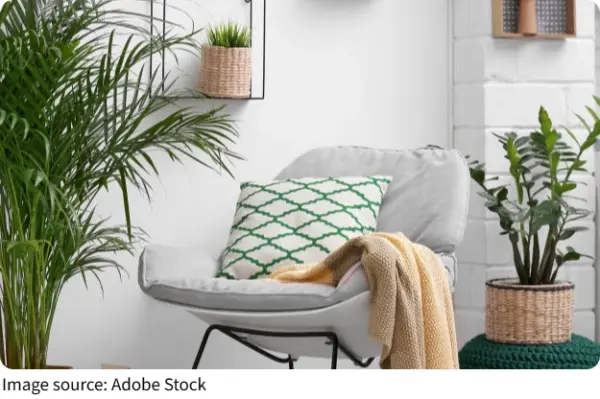
A beautiful plant-filled living room begins with understanding how greenery and interior design can support each other. By selecting species suited to your lighting conditions, arranging plants at different heights, choosing practical containers, and developing simple care habits, you can create a space that feels natural and welcoming.