EV vs Gas: Long-Term Cost

Santosh Jha
| 12-11-2026
 · Auto Team
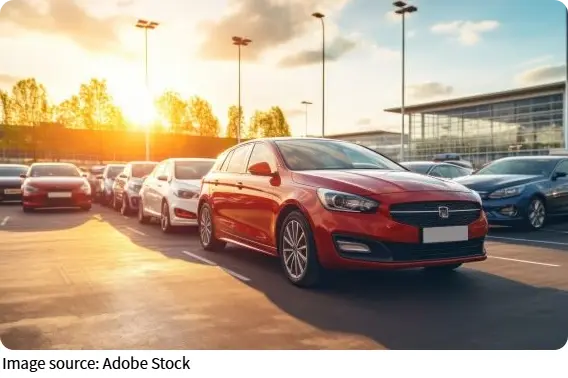
Two cars sit on the same lot, one an electric vehicle (EV) and the other powered by gasoline. Their window stickers are close, but that doesn't mean the cars will cost the same to own.
What you pay after leaving the lot can change which car is cheaper. The comparison depends on how you drive, where you charge and how long you plan to keep the car.
Fuel and Charging Costs
Suppose you drive 12,000 miles a year in a car that gets 30 miles per gallon. At $3.50 a gallon, you'd spend about $1,400 a year on gasoline. An EV covering the same distance at about 3.5 miles per kilowatt-hour (kWh) would use around 3,400 kWh.
At a home electricity rate of 16 cents per kWh, that comes to about $550 a year before charging losses. At public fast-charging rates of 40 to 50 cents per kWh, the same amount of electricity could cost about as much as gasoline or more.
Europe's electric van market is gaining speed as more businesses switch to cleaner transport!
Lower VAT and stronger EV targets could accelerate electric car adoption across Europe!
How your riding, tread, load rating, date code and budget narrow down the right pair.
How regular cleaning, lubrication, tension checks, and inspections reduce wear and keep rides smooth.
How following distance, braking order and ABS help you stop safely when traffic halts without warning.
Stricter emissions rules are approaching, but manufacturers want more time. The outcome could reshape fleet investment across Europe.
If you charge both at home and in public, estimate how much energy you'll buy at each rate. Use the rate that applies when you expect to plug in at home, since some electricity plans charge different prices at different times of day.
Maintenance and Repairs
A gas engine needs oil and filter changes and, depending on the model, spark plug and belt replacements. An all-electric car doesn't need engine oil changes. Regenerative braking, which recovers energy as the car slows, also reduces wear on the brake pads.
According to Chris Harto, a senior transportation and energy analyst at Consumer Reports, its survey data suggest that lifetime maintenance and repair costs for all-electric cars are roughly half those for gasoline cars. That's an average, not a model-specific budget. Check the car's maintenance schedule for coolant checks and price replacement tires in the correct size.
Purchase Price
A new electric compact may cost more than a comparable gas model, and the difference can take years to recover through lower running costs. A low-mileage driver may never make up the difference. Compare models with similar equipment and use the total price you'd pay rather than the advertised sticker price.
If you plan to borrow, compare the total interest as well as the purchase price. A lower monthly payment doesn't necessarily mean a cheaper car if you're paying it off over a longer period.
Depreciation and Resale
A five-year-old EV can lose more value than a comparable gas car, but resale varies by model and condition. Compare used examples of similar age and mileage rather than assuming all electric cars depreciate at the same rate. For a used EV, ask for a battery condition report if one is available.
Many manufacturers offer battery warranties of eight years or 100,000 miles. Before buying used, check how much coverage is left and what it covers. If the battery needs replacement outside the warranty, the cost can be substantial.
Insurance, Registration and Installation
Get insurance quotes for both cars with the same coverage and deductible. Some states charge EV owners an annual road fee, typically $100 to $200. Home charger installation can cost around $500 to $1,200 before incentives.
Before paying for a faster home charger, check whether charging overnight from a suitable existing outlet would cover your daily driving. If it won't, ask for an installation quote that separates the equipment cost from any electrical work your parking space needs.
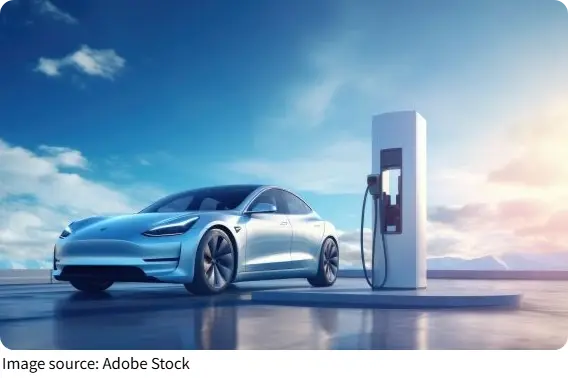
Before choosing between two cars, run the comparison again for the year you'd sell if your plans changed. If the cheaper car switches when you shorten the ownership period, weigh that uncertainty before committing.