Sossusvlei Before the Heat

Owen Murphy
| 06-11-2026
 · Travel Team
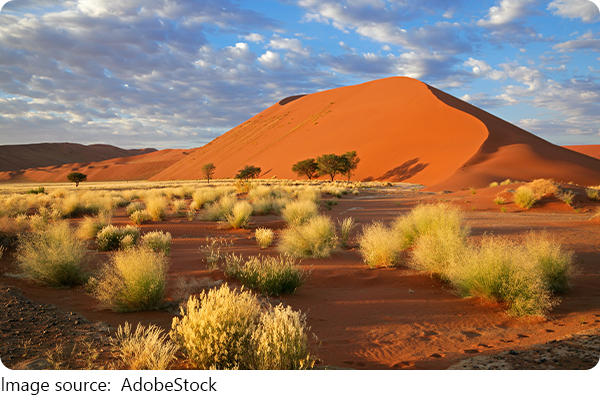
Sossusvlei lies within Namib-Naukluft Park and the UNESCO-listed Namib Sand Sea, a vast coastal desert shaped partly by fog. For Lykkers, the practical challenge is distance: from Sesriem Gate, you still have about 60 km of park road plus a final 5 km section of deep sand before reaching the Sossusvlei and Deadvlei area.
Two nights near Sesriem is the sensible minimum, because your first morning should start as early as your accommodation and gate access permit.
Sossusvlei
Win the Morning
Where you sleep matters more here than choosing a luxurious room. An early start means cooler sand, lower physical strain, and better light before the desert becomes increasingly hot.
Stay Inside or Outside
What to see, when to go, and what it really costs to visit Slovenia's island chapel lake.
Everyone Books the Fancy Resorts — These Raja Ampat Homestays Are the Real Secret!
Planning a visit to this iconic landmark? Get practical tips on ferry rides, tickets, timing, and making the most of your trip!
Everyone Skips the Westfjords — This Forgotten Cove Is What They're Missing!
Discover California’s spectacular waterfalls, giant sequoias, mountain scenery and unforgettable outdoor experiences
Ride above the city and plan your visit with useful tips on tickets, transport, food, and nearby sights
The main Sesriem gate generally operates from sunrise to sunset. Accommodation inside the outer gate can provide access to the internal road about one hour earlier and one hour later than visitors staying outside.
Choose inside-gate accommodation if sunrise access is important. Paying more can make sense because that extra hour places you farther into the dune corridor before most outside visitors enter.
Outside-gate accommodation is perfectly workable if budget matters more. Just expect to join the morning queue and lose the earliest light deeper inside the park.
From Windhoek, allow roughly 5 to 6 hours for the 300-plus km drive to Sesriem, depending on your route and stops. Much of the journey uses gravel roads, so do not schedule Sossusvlei on the same day you arrive from Windhoek. Reach Sesriem, refuel, sleep, and begin the park visit the next morning.
Understand the Final 5 km
From Sesriem, drive approximately 60 km on the surfaced road through the dune corridor. Dune 45 appears around kilometre 45, while the 2WD parking area is near the end of the paved section.
The final approximately 5 km toward Sossusvlei crosses deep sand. A normal 2WD vehicle should stop at the designated parking area. Continue using the local shuttle rather than testing whether your rental vehicle can handle the sand.
A suitable 4WD may be able to continue, subject to current access rules. If you have little experience driving deep sand, the shuttle remains the easier decision. Getting stuck wastes the coolest part of your morning.
Park entry requires a daily permit plus a vehicle charge. Fees can change, so treat the permit as a required budget item and confirm the current amount at Sesriem rather than planning around an old online price.

Choose What to Climb
Trying to climb every famous dune is unnecessary. The strongest first visit combines one dune climb with Deadvlei, then leaves before heat turns the return journey into an endurance exercise.
Dune 45 or Big Daddy
Choose Dune 45 if you want the simpler climb. It sits directly beside the main road, so you can park and start walking without tackling the final deep-sand section first. Allow roughly 45 to 60 minutes for the climb, photographs, and descent, depending on fitness.
Choose Big Daddy only if climbing a much larger dune is a genuine priority. Estimates of its height vary, but it rises more than 300 m above the surrounding terrain. Walking on loose sand is slow, and there is virtually no shade.
Do not climb both simply to complete a checklist. For most visitors, Dune 45 plus Deadvlei creates a better-paced morning. Strong hikers who specifically want the physical challenge can skip Dune 45 and save their energy for Big Daddy.
Carry at least 2 litres of water per person for a longer morning, plus sun protection, closed footwear, and light clothing. Keep additional water in your vehicle.
Make Deadvlei the Priority
From the final parking area, Deadvlei is reached on foot across exposed desert terrain. The walk is roughly 1 km each way and can take around 15 to 20 minutes each direction before photography time.
There are no facilities or useful shade at the pan. If you plan Big Daddy first, remember that you still need enough energy and water for Deadvlei afterward.
Mist is part of the wider Namib Sand Sea environment, but do not plan a Sossusvlei trip expecting the exact fog shown in photographs. Coastal fog influences this desert system, yet conditions at inland Sossusvlei vary. Treat mist as a bonus rather than a scheduled attraction.
May through August generally offers cooler daytime conditions, but these months are also popular. During hotter periods, the early start becomes even more important.
Leave the deepest part of the park with plenty of time before gate closure. You still have roughly 60 km to drive back to Sesriem after reaching the paved road. Once outside, refuel if necessary and spend a second night nearby rather than beginning a long gravel-road journey after an exhausting desert morning.
Getting There
Most travelers reach Sossusvlei by flying into Hosea Kutako International Airport in Windhoek, then renting a car for the drive south. A compact rental car for a week starts around US$250–400. The drive from Windhoek to Sesriem takes roughly 5 to 6 hours (over 300 km), mostly on gravel roads. Fuel for the round trip adds around US$60–90. Shared shuttle tours from Windhoek to Sossusvlei are also available, typically costing US$150–250 per person for a multi-day tour that includes transport and accommodation.
Where to Stay
Accommodation options near Sesriem range from campsites to luxury lodges. Inside the gate, the Sesriem Campsite offers pitches from around US$30–50 per night, while the Sossusvlei Lodge has rooms from roughly US$200–300 per night. Outside the gate, guesthouses and self-catering chalets in the Sesriem area start at around US$100–150 per night. For a comfortable stay with easy access to the park, book well in advance, especially during the May–August peak season.
Where to Eat
Dining options near Sossusvlei are limited to the lodges and a small shop at Sesriem. The Sossusvlei Lodge restaurant serves meals with main dishes around US$15–25. For self-catering, the small shop at Sesriem sells basic supplies like bread, water, and snacks, but it is worth stocking up in Windhoek or Solitaire before arriving. Carry plenty of water and snacks for the day inside the park, as there are no food facilities at Deadvlei or the dunes.
For most Lykkers, the safest Sossusvlei plan is two nights near Sesriem, the earliest practical morning entry, roughly 60 km of paved driving, and a shuttle for the final 5 km if you do not have suitable 4WD experience. Choose Dune 45 for an easier climb or Big Daddy for a demanding one, make Deadvlei your main stop, carry at least 2 litres of water per person, and finish the desert section before the strongest daytime heat.