Choose the Right Armchair

Finnegan Flynn
| 09-11-2026
 · Lifestyle Team
An armchair is often one of the most frequently used pieces of furniture in a living room. Whether you read, chat with family, watch a film, or simply relax after a busy day, the right chair should support your posture, fit your space, and remain comfortable through years of daily use.
Choosing carefully before buying can prevent common mistakes and make the chair much more enjoyable every day.
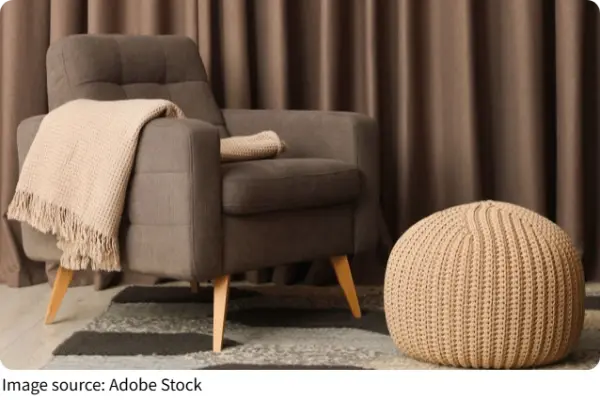
Select an Armchair That Fits Your Lifestyle
A good armchair is more than a decorative piece. Its size, shape, and placement should match the way you actually use your living room.
Identify how the chair will be used
Before comparing styles, decide its primary purpose. A reading chair benefits from an upright backrest and supportive armrests, while a chair used mainly for relaxing may feel better with a deeper seat and a slightly reclined back.
How to Keep a Classic Dining Room Looking Elegant Without Feeling Stuffy!
Love relaxed, artistic spaces? Find how boho interiors blend natural textures and charm!
Stop Playing It Safe—These Color Rules Transform Dull Rooms Instantly!
Love vintage style? These retro bathroom ideas bring bold colors, classic tiles, and timeless charm!
Need a cozy reading nook? Choose the perfect chair for comfort, style, and quiet moments!
Want a warmer home? Explore stylish rattan furniture and decor ideas for a natural, timeless look!
If the chair will often be used for conversations, avoid extremely deep designs that make sitting upright uncomfortable for extended periods.
Measure your available space first
Many people focus on the chair itself without measuring the surrounding area. Leave enough room for people to walk comfortably around it and for nearby tables to remain accessible.
A useful check is to mark the chair's footprint on the floor using masking tape before purchasing. This provides a realistic idea of how much space it will occupy and whether movement around it will remain comfortable.
Choose seat dimensions carefully
Seat height affects how easy the chair is to enter and leave. A seat that is too low may become uncomfortable for older family members or anyone with reduced mobility.
Seat depth also matters. When sitting normally, your back should rest against the backrest while leaving a small gap between the front edge of the seat and the back of your knees. This helps improve comfort during longer sitting sessions.
Test armrest position
Armrests should allow your shoulders to stay relaxed instead of forcing them upward. If you enjoy reading or using a tablet, armrests that comfortably support your forearms reduce unnecessary strain over time.
Wide armrests may also provide space for temporarily placing a book or notebook, although a nearby side table remains the more practical option.
Make the Most of Your Armchair
Once you have selected the right chair, thoughtful placement and maintenance help it stay comfortable and attractive for many years.
Place the chair near useful lighting
Natural daylight creates an excellent reading environment, so position the chair close to a window without placing it where direct sunlight shines into your eyes.
For evening use, add a floor lamp or table lamp that directs light toward your reading material instead of producing glare. Keeping the light source slightly behind your shoulder usually creates the most comfortable illumination.
Pair it with a functional side table
A small table beside the chair greatly improves convenience. It provides a place for books, glasses, a notebook, or a cup instead of encouraging you to balance items on the chair itself.
Choose a table with a height close to the armrest so frequently used items remain easy to reach without stretching.
Add comfort through textiles
A cushion can provide additional lower-back support if needed, while a lightweight throw keeps the chair comfortable during cooler weather.
Instead of using several decorative cushions, select one or two that genuinely improve support. Too many cushions reduce usable seating space and often need to be moved before sitting down.
Keep surrounding space uncluttered
An armchair feels more inviting when there is open space around it. Avoid surrounding the chair with multiple decorative objects, storage baskets, or oversized plants that make access awkward.
If the chair becomes your regular reading spot, keep only the essentials nearby. A lamp, side table, and one small plant are often enough to create a comfortable corner.
Maintain upholstery regularly
Dust and fabric fibers gradually accumulate even when stains are not visible. Vacuum upholstered chairs regularly using a soft brush attachment, paying attention to seams and corners where dust tends to collect.
If the manufacturer provides care instructions, follow the recommended cleaning method for the upholstery material. Addressing small marks promptly is usually easier than removing older stains later.
Review placement as your room changes
Furniture arrangements often evolve over time. If you replace a sofa, add shelving, or move a television, reconsider the chair's position instead of assuming its original location remains the best choice.
Sit in the chair at different times of day to check natural light, walking routes, and accessibility. Even moving the chair by a small distance can improve both comfort and the overall balance of the room.

A well-chosen living room armchair combines comfort, function, and thoughtful placement. By selecting the right size, checking seat dimensions, providing suitable lighting, pairing it with practical furniture, and maintaining it regularly, you can create a seating area that supports everyday activities while remaining comfortable and visually balanced for years of use.