Fresh vs. Dried Figs

Owen Murphy
| 18-11-2026
 · Food Team
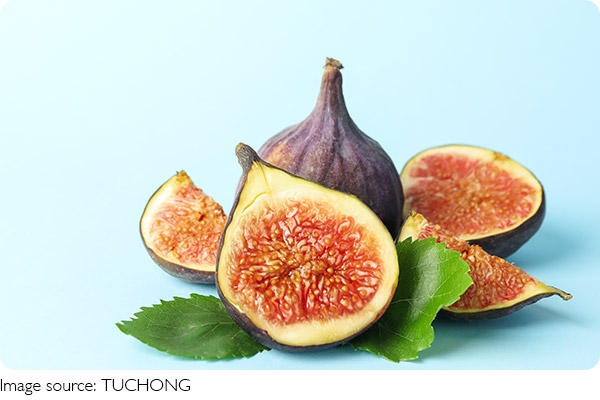
A ripe fig has tender skin, a jammy center, and tiny seeds that crunch when you bite into it. Dried figs have a denser, chewier texture.
The difference goes beyond texture. Fresh and dried figs offer different amounts of fiber and minerals by weight, and each works better in different dishes.
How Much Fiber Figs Provide
Raw figs contain 2.9 grams of fiber per 100 grams, according to USDA data. A medium fresh fig provides 1.4 grams, though the amount in any individual fig depends on its size. Dried figs provide roughly 9 to 10 grams of fiber per 100 grams.
According to Maxine Smith, a registered dietitian, the fiber in figs can help support regular digestion. Figs can add to the fiber in a meal without being its only source. Chopped dried figs, for example, add sweetness and texture to a bowl of oats.
Serving size, added sugar, and ingredients tell you more than the name on the package.
A cup provides vitamin C and fiber, and the flesh can be crisp enough for slaw or soft enough to blend.
See how fresh fruit compares with prunes and when to move ripe plums from the counter to the fridge.
Find out what’s in a cup, how to pick a ripe melon, and what to do with the rind.
A cup of fresh fruit provides vitamin C and fiber, while packaged options can contain added sugar.
A stovetop sauce keeps the pasta creamy, while buttery panko browns into a crisp topping.
Potassium, Calcium, and Magnesium
Fresh figs provide about 230 milligrams of potassium and 35 milligrams of calcium per 100 grams, along with some magnesium. Those amounts are for a weight of fruit, not a single fig. A medium fresh fig contains 116 milligrams of potassium and 18 milligrams of calcium.
Dried figs contain more calcium than fresh figs at the same weight. That does not make a few figs a replacement for dairy or calcium-rich greens. In a salad, for example, fresh figs can sit alongside greens and a sharp cheese rather than take the place of either.
Antioxidants in the Skin and Flesh
Figs contain polyphenols, a group of plant compounds that includes some of the pigments responsible for their color. In a lab comparison of fig varieties, darker figs such as Mission contained more of these compounds than the lighter varieties tested. Much of the difference came from the skin.
The flesh contains some of these compounds too, and the balance between skin and flesh varies by variety. Lab measurements describe the fruit's composition, not the health effects of eating it. The skin is edible, so there is no need to peel a ripe fig before serving it.
What Drying Changes
Fresh figs are about 80 percent water and provide 74 calories per 100 grams. Drying removes much of that water. At the same weight, dried figs have more natural sugar and calories as well as more fiber. The comparison is by weight, not by the number of figs.
Dried figs vary in size, so counting pieces is less reliable than weighing them if you want to compare portions. On a package, check the serving weight as well as the calories listed for it. If you are adding dried figs to a snack mix, measure them before mixing.
Buying and Storing Figs
Choose ripe fresh figs with intact skin and no cracks. They should feel soft without being mushy. A light scuff on the skin may come from a leaf rubbing against the fruit as it grew and does not necessarily mean the flesh is damaged.
Refrigerate ripe figs and plan to use them within two to three days. Handle them gently and rinse them just before serving. Dried figs keep longer, so they are a better choice when you are shopping ahead. Once the package is open, transfer them to an airtight container.
How to Serve Them
Let fresh figs come to room temperature before serving if you prefer their flavor that way. Slice them over plain yogurt or quarter them for a salad with greens and sharp cheese. Add them just before serving so the tender pieces don't get crushed when you toss the greens.
For a snack to take along, pair dried figs with almonds. Leave the figs whole if you plan to eat them on their own, or chop them into smaller pieces to distribute their sweetness through the mix. Their chewiness contrasts with the crunch of the nuts.

If you have more ripe figs than you can use, freeze the extras whole or halved in a sealed container for later.