Get Around in New Zealand

Naveen Kumar
| 24-11-2026
 · Travel Team
Travelling around New Zealand is part of the experience, with coastal roads, mountain passes and scenic rail journeys connecting many of its best-known destinations. However, distances can be longer than they appear on a map, and transport options vary between regions.
Some visitors prefer the freedom of driving, while others enjoy combining buses, trains and domestic flights. Understanding how each option works will help you plan a smoother journey and manage your travel budget.
Driving Offers the Most Freedom
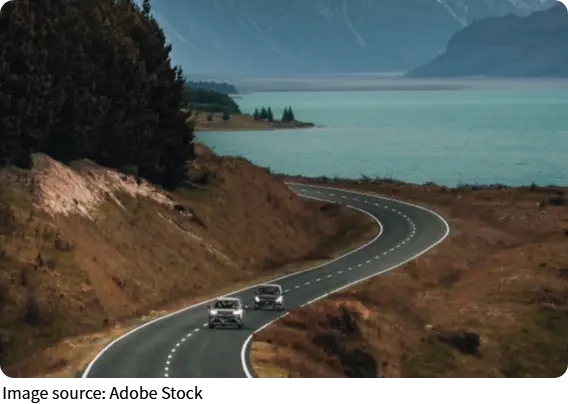
Renting a car is one of the most flexible ways to travel around New Zealand. It allows you to stop at small towns, viewpoints and walking routes that may not be served by public transport. This option works particularly well if you want to visit several destinations at your own pace.
A Compact Guide to the Park's Lakes, Peaks, and the Timing That Makes Them Work
A First-Timer's Plan for Manhattan: Where to Stay, What to See, and How to Skip the Worst Crowds and Lines
A Practical Guide to Seeing the Real City, From Metro Fares to the One Museum Wing Most People Skip.
Beaches, Views, and a City That Rewards Early Starts and Smart Timing, Minus the Tourist Traps
What to know before you go, from the four-kilometer sand stretch to costs and timing.
Plan a visit with advice on transport, quieter times, nearby stops, and photographing the reflections.
Both the North and South Islands have scenic driving routes, but journey times should be planned carefully. Roads outside major towns can be narrow, winding and hilly. A trip that looks short on a map may take longer than expected, especially when you include photo stops and changing road conditions.
New Zealand
New Zealand drives on the left, and visitors should become familiar with local road rules before setting off. A valid driving licence is essential, and an International Driving Permit or approved translation may be needed depending on the licence language and issuing country. Car rental costs depend on the vehicle, season, rental period and insurance.
Campervans Combine Travel and Accommodation
A campervan can be a practical choice for a longer road trip. It gives you a vehicle and a place to sleep, reducing the need to arrange separate transport and accommodation every night. This arrangement is especially useful for visitors planning to spend several days moving between different regions.
However, campervan travel requires advance planning. Not every parking area allows overnight stays, and freedom camping is subject to local rules.
The Easy Way to See New Zealand: Public Transport
Long-Distance Buses Suit Budget Travellers
Intercity buses are a useful alternative for visitors who do not want to drive. InterCity is one of the main nationwide coach networks, connecting major towns and popular destinations across both islands. Bus travel is generally more affordable than renting a vehicle, particularly for solo visitors. Tickets on some routes start at approximately €7 one way, although longer journeys and busy travel dates can cost considerably more.
Scenic Trains Make the Journey Special
New Zealand has several well-known passenger rail routes that are designed around the scenery rather than speed. The Northern Explorer connects Auckland and Wellington, while the Coastal Pacific travels between Christchurch and Picton. The TranzAlpine links Christchurch with Greymouth, crossing the Southern Alps along the way.
Large windows provide broad views of changing landscapes, making train travel a relaxing way to cover part of the country. Tickets are more expensive than many coach journeys. For example, the TranzAlpine and Coastal Pacific have advertised one-way fares starting at approximately €125–€130, depending on the service and availability.
Use Ferries Between the Two Main Islands
The Cook Strait ferry connects Wellington on the North Island with Picton on the South Island. It is an important option for travellers who want to continue a road trip without arranging a separate vehicle at their destination. Foot-passenger tickets typically start at approximately €45 one way, while taking a vehicle costs extra.
Domestic Flights Save Time
Flying can be the most convenient option when travelling between destinations separated by long road journeys. Domestic connections serve major centres such as Auckland, Wellington, Christchurch and Queenstown. Flights are useful when your itinerary is short or you want to avoid spending several days travelling between islands.

There is no single best way to travel around New Zealand. A rental car suits visitors who value flexibility, while buses offer a more budget-conscious way to connect major destinations. Combining different transport options can often create a more comfortable and practical itinerary.