Tower Bridge, Done Right

Caleb Ryan
| 02-09-2026
 · Travel Team
Hello, readers. Most visitors treat Tower Bridge as a quick photo stop, snap a shot of the towers, then wander off to the next landmark.
But that misses the whole point of the place. The bridge is a working piece of Victorian engineering, and you can actually watch it think, move, and lift a forty-thousand-ton road into the sky.
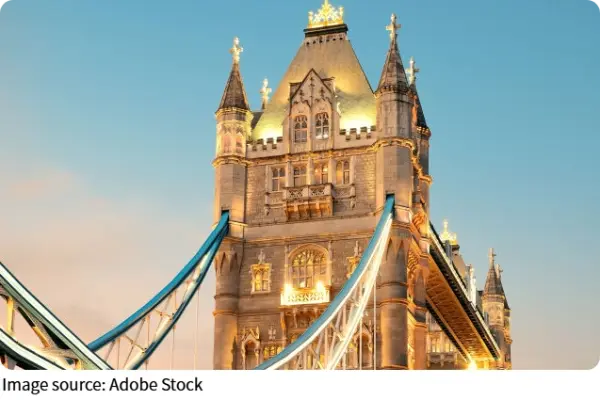
Why the bridge beats the photos
You've seen the postcards, the movies, the endless Instagram shots of the blue and white towers. Nothing wrong with any of that. The real payoff is getting up close to the machinery that makes it all happen. Inside the north tower, the Victorian engine rooms still hold the original steam-powered pumps from 1894, all brass pistons and polished steel.
A practical guide to reaching this Dominican waterfall, with timing, costs, and tips for the ride.
Everything you need to know before climbing Tokyo's iconic red tower.
Raja Ampat holds the richest marine biodiversity on Earth above turquoise shallows between limestone karst islands.
A practical guide to the cliffside icons and how to see them right.
A short, steep walk to Neist Point Lighthouse with practical notes on parking, timing, transport, and where to sleep.
Plan a practical Khao Yai escape with forest trails, waterfalls, wildlife watching, and clear transport choices from Bangkok.
They stopped running in 1976, but the space feels alive. You can stand right next to the massive flywheels and imagine the whole thing groaning to life. That's the part people skip, and it's a shame.
Plan your arrival smart
You don't need a tour bus or a guide. The nearest tube stop is Tower Hill, on the District and Circle lines, and it's a five-minute walk to the bridge entrance. If you're coming from the south side, London Bridge station works too, though it's about ten minutes longer on foot.
Try to arrive right at opening time, 9:30 AM on most days. The place fills up fast after eleven, especially on weekends when school groups and tour parties pile in. Morning light also hits the bridge's east side beautifully, so your photos will look better anyway.
Tower Bridge
What to see once you're up
The walkways sit forty-two meters above the river, and the glass floor sections are the main draw. You'll step onto a panel of reinforced glass and look straight down at the water rushing below. It's a solid three centimeters thick, so no need to worry, but your knees might disagree. Give yourself a solid hour and a half inside. The engine rooms alone take about twenty minutes if you actually read the plaques.
And don't skip the short film in the tower about the bridge's construction, it explains why the Victorians built it in Gothic style, partly to match the nearby Tower of London. Clever bit of urban planning, really.
Costs and timing
Tickets run around 12 pounds for adults, which covers the towers, the walkways, and the engine rooms. If you book online, you'll save a bit and skip the ticket queue. The bridge itself lifts about eight hundred times a year, so you've got a decent shot at catching it. The schedule is posted on the official site, but a rough rule is that lifts happen a few times a day, often mid-morning or early afternoon.
Stand on the south bank near the bridge's base for the best view when the road splits and rises. It takes about ninety seconds for the whole thing to go up, and the crowd around you will cheer. That never gets old.
Make the most of your visit
Combine the bridge with a walk along the south bank of the Thames. From the bridge's southern end, you can stroll east toward Butler's Wharf, where you'll find the old warehouse district and a string of riverside restaurants. A proper local restaurant lunch nearby runs about fifteen pounds for a main. Or cross back north and spend an hour at the Tower of London, which is literally a three-minute walk from the bridge's north tower.
The ticket for the Tower is separate, around 30 pounds, so plan your budget ahead. If you're tight on time, just do the bridge and the river walk. That's a solid half-day.
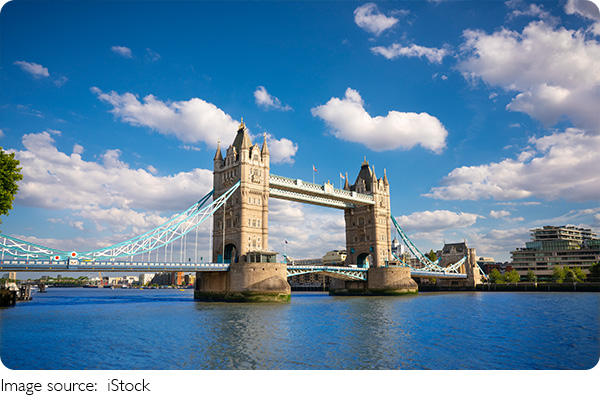
One last tip: bring a jacket. The walkways are exposed, and the wind off the Thames can bite even on a sunny afternoon. So next time you're in London, give the bridge more than a glance. Walk its glass floor, watch a lift, and let the old machinery do its thing. You'll leave with a story, not just a photo.