Ras Al Khaimah Escape

Mason O'Donnell
| 30-10-2026
 · Travel Team
Ras Al Khaimah, in the United Arab Emirates, brings together mountain landscapes, a long coastline, desert habitats, mangroves, and a rich maritime heritage.
Its varied terrain makes it possible to combine outdoor adventure, historical exploration, wildlife, and coastal scenery within a single trip.
For travelers seeking a destination with both active experiences and slower sightseeing, the emirate offers a well-balanced itinerary across its northern coastline and mountain region.
Ras Al Khaimah
Discover Jebel Jais
Rising to 1,934 meters, Jebel Jais is the highest mountain in the United Arab Emirates. A winding road climbs through the Hajar Mountains, leading to viewpoints with expansive views across the rugged terrain.
Explore a volcanic landmark, open moorland, waterfalls, historic sites and scenic walking routes in England
Discover Zimbabwe’s Zambezi River through wildlife, cruises, birdwatching, canoeing, and riverside stays
A Peaceful Dolomite Lake Near Misurina with Mountain Reflections and Scenic Alpine Views
Explore alpine trails, mountain lifts, local flavors, and practical planning in Verbier, Switzerland
Walk through golden larch forests to a preserved Alpine hamlet beneath the Mont Pourri glaciers
Explore a scenic Swiss valley from Pontresina with meadows, river views, glaciers, and peaks
The mountain is also home to the world's longest zipline, measuring approximately 2.83 kilometers. The experience reaches speeds of up to 160 km/h and crosses the mountain landscape at high elevation.
Those who prefer sightseeing can explore the mountain roads and viewpoints without taking part in the zipline.
Walk Through Al Jazeera Al Hamra
Al Jazeera Al Hamra is a preserved coastal settlement that reflects Ras Al Khaimah's pearling and fishing heritage. Its traditional houses, courtyards, towers, and narrow passages reveal how coastal communities were organized before modern development.
The site offers a quieter historical experience and is particularly interesting for visitors interested in traditional architecture and photography.
Discover the Pearl-Farming Heritage
Pearling is closely connected with the history of Ras Al Khaimah. In the Al Rams area, visitors can join a boat excursion to a floating pearl farm and learn about the cultivation process.
The experience can include a demonstration of oyster opening and an explanation of how pearls develop. Boat transfers through the surrounding coastal environment add another dimension to the visit.
Prices generally start at around $43, depending on the selected package.
Climb Dhayah Fort
Dhayah Fort stands on a hill surrounded by palm gardens and mountain scenery. Reaching the summit requires approximately 239 steps, but the elevated position provides sweeping views across the surrounding landscape.
The fort is free to enter and can be included in a northern Ras Al Khaimah itinerary alongside Al Rams and Al Jazeera Al Hamra. Comfortable walking shoes are advisable for the climb.

Explore the National Museum
The National Museum of Ras Al Khaimah occupies a historic fort and houses collections illustrating the emirate's archaeological and cultural heritage.
Exhibits cover traditional industries, agriculture, fishing, pearling, trade, and everyday life. Its manageable size makes it suitable for a short cultural visit between outdoor activities.
Admission is approximately $1.40, although prices can change. The museum generally operates Tuesday through Sunday and closes on Mondays.
Watch the Sunset at Al Rams
Al Rams provides a peaceful coastal setting with sandy shores, fishing boats, mangroves, and views toward the mountains.
Late afternoon is an especially appealing time to visit, when softer sunlight creates attractive conditions for photography. The beach is free to access, making it an easy addition to a day exploring northern Ras Al Khaimah.
Experience Al Wadi Nature Reserve
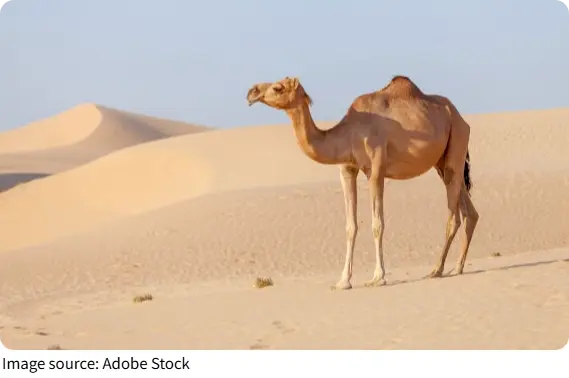
Al Wadi Nature Reserve covers approximately 1,235 acres of protected desert habitat. Arabian oryx, gazelles, desert foxes, and numerous bird species can be found within the reserve.
Activities include wildlife drives, nature experiences, desert excursions, and stargazing. Prices depend on the activity and package selected.
For travelers interested in the natural environment, the reserve provides a different perspective from the mountain and coastal attractions.
Getting Around
Ras Al Khaimah is accessible by road from other parts of the United Arab Emirates. Driving from Dubai generally takes around 1 to 1.5 hours, depending on the departure point and traffic.
Public buses provide a more economical alternative, with fares from Dubai to Ras Al Khaimah at approximately $7 one way. Taxis are practical for individual journeys, while renting a car offers greater freedom when visiting attractions across the emirate.
A rental car is particularly useful for combining mountain, heritage, coastal, and desert stops in one day.
Where to Stay
Accommodation includes city hotels, mid-range properties, coastal stays, and desert retreats.
For sightseeing, the city offers convenient access to restaurants, museums, and major roads. Coastal accommodation is suitable for travelers who want easy access to the shoreline, while desert properties place nature experiences closer at hand.
Mid-range rooms typically cost around $60–$100 per night, while higher-end accommodation can exceed $200 per night. Rates vary according to season, location, and room type.
Local Food
Ras Al Khaimah's coastal setting is reflected in its cuisine. Common choices include grilled fish, prawns, rice dishes, fresh vegetables, traditional breads, dates, and regional sweets.
A casual meal generally costs around $8–$15, while a more substantial seafood meal can cost approximately $20–$30.
Ras Al Khaimah combines mountains, coastline, desert, wildlife, and heritage without requiring a complicated itinerary. Jebel Jais delivers high-altitude scenery and adventure, while Al Jazeera Al Hamra and the National Museum provide insight into the emirate's past. The pearl-farming experience connects visitors with its maritime traditions, and Al Rams offers a relaxed coastal setting.
With its variety of landscapes and activities, Ras Al Khaimah is well suited to travelers who want to combine outdoor exploration, heritage, wildlife, and coastal experiences in one destination.