Québec Beyond Montreal

Ravish Kumar
| 09-10-2026
 · Travel Team
Québec feels like a world of its own within Canada. French is central to everyday life, local cuisine celebrates regional produce, and centuries-old towns sit alongside vast forests, mountains and coastal landscapes.
Montréal and Québec City make excellent starting points, while the countryside reveals a very different side of the province.
When To Visit Québec
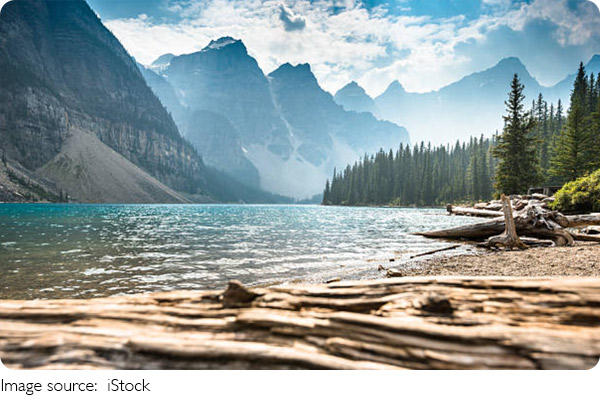
Every season brings a different experience. Winter is ideal for skiing, snow festivals and snowy city walks, with temperatures sometimes falling as low as -40°C. Québec City’s Carnaval de Québec takes place in February, while the ski resorts of the Laurentians and Charlevoix are at their busiest early in the year.
From late February to late April, maple season brings visitors to sugar shacks, where freshly collected sap is turned into syrup and traditional maple sweets.
From sizzling barbecue and handmade noodles to late-night tofu soup, these Korean restaurants showcase the flavours of Los Angeles.
Pandas may bring you here, but teahouses, ancient Shu treasures and unforgettable Sichuan food are reasons to stay longer.
Plan a Vietnam trip around its changing climate: rice terraces, dry-season beaches, quieter cities, shoulder-season adventures.
Explore Mount Titano, medieval landmarks, scenic views, museums, and local flavors
Explore Senegal’s mangroves, waterways, islands, birdlife, local culture, accommodation, and coastal cuisine
The Dolomites take on a new character without snow, with lush valleys, lakes, and scenic routes!
Summer is the province’s busiest period. June brings major festivals to Montréal, while July is perfect for exploring smaller towns and the countryside. The final two weeks of July coincide with Québec’s construction holiday, when many residents travel and popular destinations become particularly busy.
September is one of the best months for autumn scenery, especially in the Laurentians. August is a good time to head towards the beaches of the Îles-de-la-Madeleine.
Québec
How Long Should You Stay?
A long weekend works well for Montréal or Québec City. Montréal can easily fill three days with Old Montréal, the Plateau Mont-Royal, museums, markets and food stops, while Québec City is ideal for a weekend focused on its historic centre.
For a fuller introduction to the province, plan two to three weeks. A road trip can combine Montréal, the Eastern Townships, Québec City, Charlevoix and the Gaspésie Peninsula, with time for wildlife, hiking and coastal scenery.
Explore Montréal Through Food
Montréal is one of Québec’s great culinary destinations. In the Plateau Mont-Royal and Mile End, you can sample several dishes that have become part of the city's identity.
Schwartz’s is famous for its smoked-meat sandwiches, prepared using a recipe that dates back to 1928. For another Montréal classic, compare the bagels at Fairmount Bagel and St-Viateur Bagel and choose your favourite. Cheskie’s is another Mile End stop worth making for babka, rugelach and other pastries.
A smoked-meat sandwich costs around €11, while a portion of poutine from a roadside casse-croûte is roughly €9.
Walk Through Old Québec
Québec City’s historic centre is one of the province’s essential experiences. Begin around the old fortifications and Château Frontenac, then follow the cobbled streets towards Terrasse Dufferin and Rue du Petit-Champlain.
A two-hour walking route of roughly 4km takes in historic squares, viewpoints, murals, galleries and the famous Breakneck Steps. Leave time for a coffee, pastry or local cheese along the way.
Drive Through The Eastern Townships
East of Montréal, the Eastern Townships combine apple orchards, farms, lakes and historic villages. The region produces around 60% of Québec’s cider, with local producers welcoming visitors from May through October.
The Orchard Trail includes 25 apple farms and seven routes, ranging from a short day trip to a three-day journey. Local drinks and cheesemakers add plenty of stops for a food-focused road trip.
Discover The Islands
The Îles-de-la-Madeleine are one of Québec’s most distinctive destinations. The archipelago has eight major islands, six connected by a 200km road network, with sandy beaches, red cliffs and colourful houses.
The islands are also home to a thriving community of artists and craftspeople. Visitors can watch glassblowers, ceramicists and jewellery makers at work and buy locally made pieces directly from studios.
Look For Wildlife In Gaspésie
Parc National de la Gaspésie is one of the best places in southern Québec to search for wildlife. Moose are relatively common, while the park is also home to a small population of fewer than 40 caribou.
Experienced hikers can tackle Le Tour-du-Mont-Albert, a demanding day hike of 12km or 18km with around 850–870m of elevation gain. Park admission costs about €6.40 for adults.
Getting Around Québec
Montréal and Québec City are easy to explore on foot and by public transport. Montréal’s metro has 68 stations, while buses connect the main urban areas.
Outside the cities, a car gives you much greater freedom. Québec’s distances are considerable, especially when travelling towards Gaspésie, Charlevoix or the Îles-de-la-Madeleine. VIA Rail provides a comfortable connection between Montréal and Québec City, with tickets from around €25 one way.
How Much To Budget
A budget traveller should allow roughly €63 per person per day, while a mid-range trip starts at around €125 per person per day. A double room at Hôtel AtypiQ in Québec City costs around €103 per night.
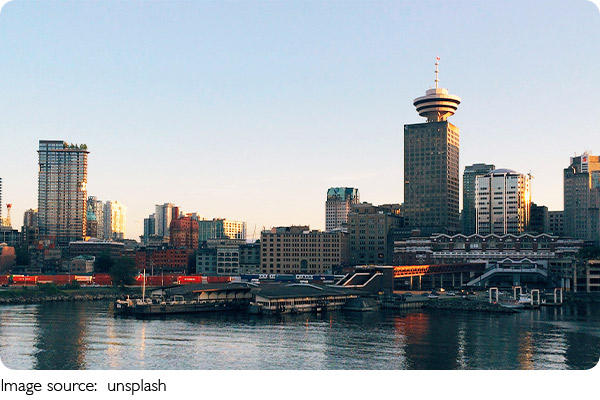
For a longer stay, booking accommodation outside the busiest summer periods can help keep costs under control. Québec City and Montréal work well without a car, while a road trip becomes worthwhile once you venture into the countryside.