Master Deep Red
Ethan Sullivan
| 09-11-2026
 · Lifestyle Team
A deep red wall can add warmth, depth, and character without filling a room with extra furniture or decoration.
The key is understanding how this bold color interacts with light, materials, and surrounding furnishings so the space feels balanced instead of overwhelming.
Use Deep Red Effectively
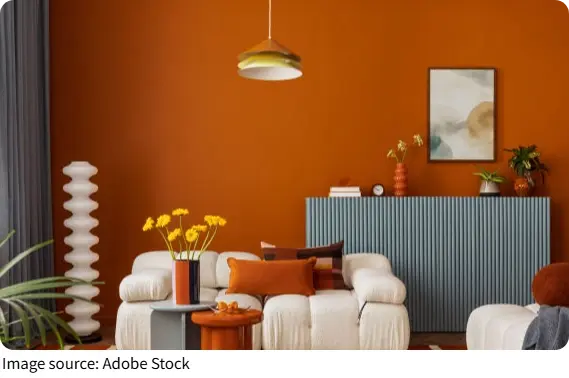
A bold wall color works best when it has a clear purpose. Planning the surrounding elements carefully allows the color to become a feature instead of a distraction.
Choose the right wall
Painting every wall deep red can make some rooms feel visually smaller, especially if natural light is limited. An accent wall is often the more practical option because it creates a strong focal point while allowing the remaining walls to reflect light.
Is your living room armchair as comfortable as it looks?
How to Keep a Classic Dining Room Looking Elegant Without Feeling Stuffy!
Love relaxed, artistic spaces? Find how boho interiors blend natural textures and charm!
Stop Playing It Safe—These Color Rules Transform Dull Rooms Instantly!
Love vintage style? These retro bathroom ideas bring bold colors, classic tiles, and timeless charm!
Need a cozy reading nook? Choose the perfect chair for comfort, style, and quiet moments!
Good locations include the wall behind a sofa, a console table, a fireplace, or a dining area. These naturally attract attention and allow the color to frame furniture instead of competing with it.
Evaluate natural and artificial light
Deep red changes noticeably throughout the day. In bright daylight, it often appears warmer and more vibrant, while evening lighting may make it look darker and richer.
Before committing to a paint color, test a sample on the intended wall and observe it during morning, afternoon, and evening. This simple step helps avoid choosing a shade that looks very different under your home's actual lighting conditions.
Balance with lighter surroundings
Because deep red naturally draws attention, surrounding finishes should provide visual balance. Light flooring, white ceilings, pale curtains, or neutral rugs prevent the room from feeling too enclosed.
Dark furniture can also work well, but adding lighter textiles or reflective surfaces nearby helps maintain contrast and keeps individual pieces easy to distinguish.
Select materials that complement the color
Deep red pairs particularly well with natural wood, brushed metal, glass, stone, woven textures, and ceramic finishes. Instead of introducing many different materials, repeat two or three throughout the room.
For example, warm wood furniture, brass-colored accessories, and woven baskets create a consistent palette that feels intentional rather than random.
Style the Space with Confidence
Once the wall establishes the room's personality, furniture and decoration should support that visual foundation without making the room feel crowded.
Keep furniture silhouettes simple
Since the wall already provides visual richness, furniture with clean lines often creates better balance than heavily ornamented pieces.
Console tables, cabinets, or shelving with straightforward shapes allow the wall color to remain the main feature while keeping the overall design calm.
Decorate in small groups
Large empty wall areas do not always require extensive decoration. Instead of filling every section, arrange accessories in small, balanced groups.
A plant beside a cabinet, one decorative vase, and a metallic sculpture may create stronger visual impact than numerous unrelated ornaments scattered across the room.
Leaving open wall space also allows the paint color itself to contribute to the design.
Introduce greenery for natural contrast
Plants are especially effective against deep red because green naturally contrasts with warm red tones.
Choose plants according to the available light instead of appearance alone. A healthy plant with well-maintained leaves provides a more attractive display than several struggling plants placed in unsuitable conditions.
Medium-height plants work well beside cabinets, while smaller varieties can soften shelves and tabletops.
Use metallic finishes carefully
Warm metallic finishes such as brass or gold-colored accents often complement deep red walls by reflecting light and adding subtle brightness.
Rather than repeating metallic elements everywhere, limit them to a few noticeable locations, such as a lamp, mirror frame, planter, or decorative tray. Too many reflective objects can compete with the wall instead of enhancing it.
Prevent visual clutter
Bold colors naturally make decorative objects more noticeable. Review shelves and tabletops regularly, removing anything that no longer serves a practical or decorative purpose.
Keeping surfaces organized allows furniture, plants, and carefully chosen accessories to stand out more clearly.
Refresh without repainting
You can change the room's appearance throughout the year by updating smaller accessories instead of altering the wall itself.
Replacing cushion covers, artwork, table decorations, or indoor plants introduces variety while preserving the strong visual foundation created by the accent wall. This approach is both economical and much less time-consuming than repainting.

A deep red wall creates the greatest impact when it is supported by balanced lighting, complementary materials, organized decoration, and thoughtful furniture placement. By treating the wall as the room's main design feature rather than simply another color, you can build a space that feels distinctive, comfortable, and practical for everyday living.