Build an Autumn Garden

Chris Isidore
| 16-11-2026
 · Plant Team
Autumn gardens can be just as colorful as summer displays. Rich chrysanthemums, golden sunflowers, ornamental grasses, and pumpkins bring warmth and texture to outdoor spaces. The secret to keeping everything attractive is choosing plants suited to the season and arranging decorations without interfering with their care.
A successful fall display combines visual appeal with practical maintenance. Living plants need sunlight, moisture, and drainage, while pumpkins and other harvested decorations need protection from prolonged dampness. With thoughtful placement and a few simple routines, the arrangement can remain inviting as temperatures change.

Choose Chrysanthemums for Lasting Color
Light, cold winters, and the right container size decide whether your cactus ever flowers.
Give overlooked corners and everyday tables a fresh look with simple flower styling tips
See how evening light transforms flower stalls, with tips for choosing fresh blooms after sunset
Turn a weekend flower run into a charming ritual, with simple tips for packing blooms and riding home safely
How thoughtful plant choices bring balance, texture, and natural beauty to your living room
Discover How Simple Planting, Watering, and Pruning Tips Can Help Your Hydrangeas Grow Beautiful Blooms at Home
Chrysanthemums, often called mums, are popular autumn flowers because their dense blooms provide striking shades of yellow, orange, red, pink, and purple. They perform best with plenty of sunlight, although their needs vary by variety and climate.
When buying container mums, choose plants with numerous unopened buds rather than ones already covered in fully opened flowers. This can extend the colorful display after purchase.
Check soil moisture regularly, especially during sunny or windy weather. Water thoroughly when the upper layer begins drying, allowing excess water to drain away. Direct water toward the soil rather than repeatedly soaking the flowers.
Remember that not every potted mum sold in autumn will survive winter outdoors. Check its hardiness before treating it as a permanent garden plant.
Add Sunflowers and Seasonal Foliage
Sunflowers bring height and cheerful golden color to autumn arrangements. However, living sunflowers need full sun and must be planted early enough to mature before the growing season ends. Taller varieties may also require support against strong winds.
For a temporary display, cut sunflowers offer an easier alternative. Place them in a stable container with fresh water, and replace them as they fade.
Ornamental grasses, heucheras, and suitable sedges can provide texture after flowering plants lose their blooms. Their contrasting leaves and shapes help the arrangement remain interesting.
Choose plants appropriate for your local climate, and group varieties with similar sunlight and watering requirements when using shared containers.
Arrange Plants at Different Heights
A layered arrangement creates depth without requiring a large garden. Begin with taller plants or decorative branches toward the back, place medium-height chrysanthemums in the middle, and position pumpkins or low-growing foliage near the front.
This approach keeps each element visible while making the display feel abundant.
Leave enough space between plants for airflow, watering, and inspection. Avoid placing heavy decorations against stems or covering the crowns of living plants.
Before finishing, examine the arrangement from the direction visitors normally approach. Adjust individual containers until the colors and heights feel balanced.
A few well-positioned elements often create a stronger impression than an overcrowded collection of decorations.
Keep Pumpkins Fresh and Attractive
Pumpkins add recognizable harvest colors and interesting shapes to an autumn garden. Combine different sizes and shades for variety, including traditional orange pumpkins and pale decorative varieties.
Choose firm, undamaged pumpkins, and place them on stable surfaces that do not remain wet after rainfall. Persistent moisture can encourage softening and decay, particularly where the pumpkin touches the ground.
Inspect the undersides regularly, and remove any pumpkins showing mold, leaking, or significant deterioration.
If pumpkins are intended for eating later, keep them separate from decorative materials and follow appropriate food-storage practices. Not every ornamental gourd is edible, so never assume decorative produce is safe to consume.
Manage Watering and Drainage
Autumn weather often brings cooler temperatures and slower evaporation, making watering needs different from those of summer. Check the soil before watering instead of following a fixed daily schedule.
Outdoor containers should have drainage holes so excess rainwater can escape. If using decorative baskets or pots without drainage, keep plants in separate inner containers and empty accumulated water when necessary.
A layer of organic mulch can help garden beds retain moisture and moderate soil temperatures. Keep mulch away from plant stems to avoid trapping excess dampness.
After heavy rain, inspect containers for standing water, damaged foliage, and signs of root stress. Good drainage is particularly important when temperatures fall and soil remains wet longer.
Refresh the Display Throughout Autumn
Seasonal arrangements look their best when they receive small amounts of regular attention. Remove faded chrysanthemum flowers, yellowing leaves, and damaged stems to maintain a tidy appearance.
During these checks, look for pests, overly wet soil, and decorations beginning to deteriorate. Replace cut flowers or pumpkins when necessary rather than allowing damaged materials to accumulate.
As temperatures approach freezing, check the cold tolerance of each plant. Tender varieties may need protection, relocation, or replacement with more suitable seasonal choices.
Containers can expose roots to colder conditions than plants experience in the ground, so winter protection may be necessary even for some hardy varieties.
A flexible arrangement makes these adjustments easier and keeps the garden attractive as the season progresses.
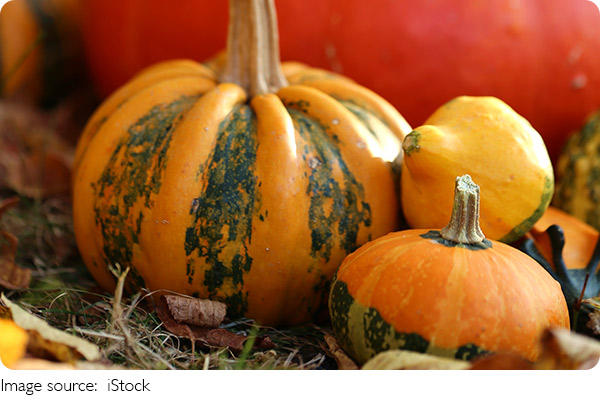
A beautiful autumn garden does not need complicated maintenance. Chrysanthemums provide vibrant flowers, seasonal foliage adds texture, and pumpkins create a welcoming harvest atmosphere.
The key is balancing appearance with the practical needs of each element. Choose suitable plants, maintain good drainage, avoid overcrowding, and protect decorations from persistent moisture.
With regular inspections and occasional adjustments, an autumn display can remain colorful and inviting well into the cooler months, bringing seasonal warmth to gardens, patios, and entryways.