Arashiyama Bamboo Guide

Liam Reilly
| 25-11-2026
 · Travel Team
Hello there, readers. You probably expect the Arashiyama Bamboo Grove to be a quiet, empty forest where you hear nothing but stalks knocking together in the wind.
Then you show up at 11 a.m. and find a slow-moving line of people holding phones above their heads. The grove is free, open around the clock, and genuinely worth seeing. It just rewards a little planning.
Arashiyama Bamboo Forest
Why the early walk wins
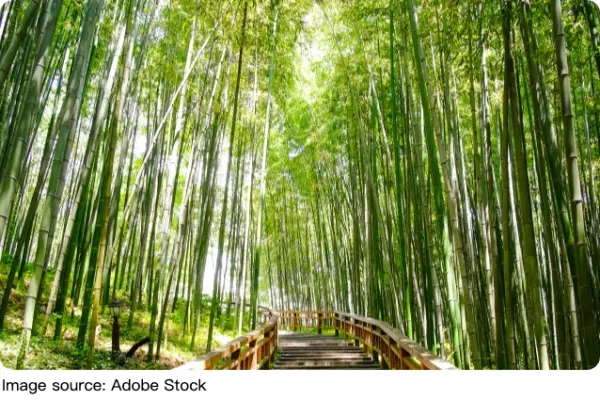
The single best decision you can make is arriving before 7 a.m. The path through the grove runs roughly 400 meters, and by mid-morning it fills with tour groups moving in one direction. Go at dawn and you get the sound the place is known for: dry bamboo creaking and clacking overhead. The light comes through the stalks at a low angle, which is when photos actually work. Same path, completely different experience.
From scenic rail trips to open-road drives, choose the best way to experience Canada's landscapes!
Dreaming of an Australian road trip? Enjoy scenic drives, flexible stops, and life on the road!
How can you travel across Slovenia? Explore transport options for cities, lakes, and mountain towns!
What's the best way to travel around New Zealand? Compare transport options for every journey!
A Compact Guide to the Park's Lakes, Peaks, and the Timing That Makes Them Work
A First-Timer's Plan for Manhattan: Where to Stay, What to See, and How to Skip the Worst Crowds and Lines
Getting there without a taxi
Take the JR Sagano Line, part of the Sanin Main Line, from Kyoto Station to Saga-Arashiyama Station. The journey takes about 15 minutes and costs roughly US$1.60 one way. From the station, allow around 10 to 15 minutes to walk to the bamboo grove. The Randen tram also stops at Arashiyama and is another option depending on where you are staying.
What sits beside the path
The grove is the headline, but the surrounding district is worth half a day. Tenryu-ji Temple borders the bamboo path, with its north gate connecting directly to the grove. The temple is part of Kyoto's UNESCO World Heritage listing, and its garden has a pond framed by wooded hills. Garden entry costs roughly US$3.40, with regular opening hours from 8:30 a.m. to 5 p.m. Allow time between an early bamboo walk and the garden opening. Continue south toward Togetsukyo Bridge over the Katsura River. Across the river, Monkey Park Iwatayama involves an uphill walk of around 20 minutes, with standard admission costing approximately US$5.50.
Timing your whole day
Do the grove first, then the temple garden, then the bridge. That order keeps you ahead of the crowds moving the opposite way. If you want the river boat ride along the Hozu, book it in advance, since morning departures sell out in peak seasons like late March and November. Weekdays beat weekends by a wide margin. And do not schedule the grove as an afternoon stop after a full morning elsewhere. You'll arrive tired and share the path with everyone.
Food Tip
A late breakfast or lunch makes a pleasant pause after the bamboo walk and temple garden. Around Arashiyama, vegetarian restaurants may offer tofu dishes, rice, and seasonal vegetables. Yudofu, gently heated tofu traditionally served with dipping sauce, is a Kyoto specialty worth looking for. Vegetable tempura offers another option when available. As a planning estimate, allow roughly US$15 to US$25 for a casual meal, while a multi-course tofu menu can cost more. Many restaurants open later than the best time for visiting the grove, so an early breakfast before setting out can fit the route well.
Where to Stay
Staying near Saga-Arashiyama Station makes an early walk convenient, while accommodation around Kyoto Station offers more connections for the rest of your trip. As a planning estimate, allow roughly US$90 to US$160 per night for a mid-range room. Cherry blossom season and the autumn foliage period can bring higher rates, so compare dates before booking.
Small things that help
Wear shoes with grip. The path is paved, but the side trails toward Okochi Sanso Villa turn uneven and a little slick after rain. Bring cash for temple entries and small shops, since not every gate takes cards. Carry out your trash, as bins along the route are scarce. And keep your voice down in the early hours, because the grove sits next to a residential neighborhood and people do live there.
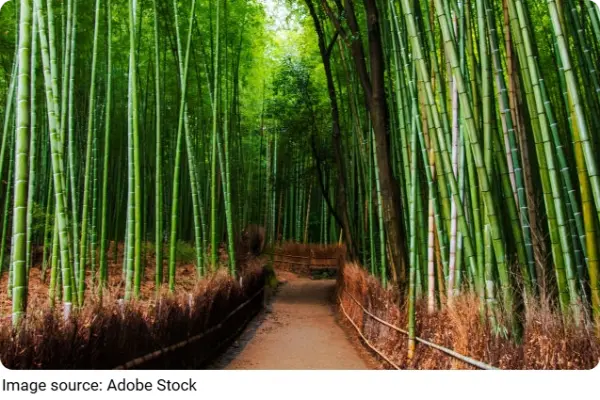
The whole point of the Arashiyama Bamboo Grove is not the photo. It's those few minutes when the path is quiet and the stalks are the only thing making noise. Set your alarm, take the early train, and you'll get that version of it.