Norway's Rural Trails

Pankaj Singh
| 25-11-2026
 · Travel Team
A hiking holiday in Norway can offer more than mountain views and fresh air. The 65km Stølsruta, located around three hours north of Oslo, takes walkers through a landscape shaped by generations of seasonal farming.
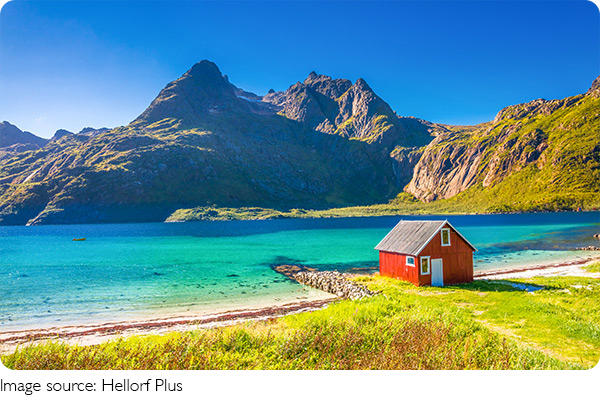
Across the Stølsvidda plateau, open pastures, birch woodland, quiet hamlets, and traditional wooden farm buildings reveal a way of life that has become increasingly rare elsewhere in Europe. The route offers a thoughtful opportunity to experience the countryside while respecting the people and traditions that continue to care for it.
A Trail Shaped by Summer Farming
Stølsruta follows the landscape associated with seterdrift, a Norwegian farming tradition in which livestock are moved from lower farmland to mountain pastures during the warmer months. This seasonal arrangement allowed farmers to use upland grasslands for grazing while keeping lower fields available for other agricultural work.
What makes South Korea worth visiting? From vibrant cities to scenic escapes, there's plenty to enjoy!
Planning a Costa Rica getaway? Find the best ways to travel between scenic towns and nature spots!
Planning a trip to Tunisia? Find practical ways to get around and enjoy more of your journey!
How are farmers protecting their land? Simple soil conservation methods help reduce erosion during heavy rains!
What makes this coastal town unique? Its rich heritage, historic streets, and Swahili traditions!
How to walk Kyoto's bamboo path without the crush, plus timing, transport, and costs.
The practice has influenced rural life for centuries. Its knowledge, music, food traditions, and storytelling were recognised in 2024 when seterdrift was added to UNESCO's list of Intangible Cultural Heritage. The route gives visitors a chance to understand this heritage through the landscape rather than simply reading about it.
Norway
Walk Across the Stølsvidda Plateau
The journey begins in Tisleidalen, where hikers join the trail and climb towards the plateau. The first section passes through woodland marked as grazing land, gradually gaining height before opening onto wider views of the surrounding valleys.
One of the notable landmarks is Svenskeknippa, the route's highest point. From the higher ground, walkers can appreciate the mixture of lakes, rolling hills, forest, and open pasture that defines the region. The small farming settlement of Tyrishølt provides an atmospheric place to spend the first night.
The full route covers approximately 65km and is best approached as a multi-day walk. Its appeal comes from the changing scenery and the chance to encounter working summer farms along the way, rather than from speed or demanding technical sections.
Recognise the Details of Rural Life
Several features along the route help explain how summer farming once operated. Traditional støls are simple wooden buildings used as seasonal accommodation and farm spaces. Old milk-loading platforms, known as mjølkerampe, can also be seen beside the trail. They were once important collection points where dairy produce was prepared for transport to communities below.
The route also carries the sounds of the farming season. Cowbells can be heard across the pastures, while kulning—a traditional Scandinavian herding song—has been used to call livestock across open mountain areas. Some of the farms continue to maintain parts of this musical heritage.
In summer, visitors may also encounter small farm stalls selling local produce. The food traditions associated with these places reflect the practical skills developed by generations of people living and working in the uplands.
Meet the People Keeping the Tradition Alive
The Stølsruta is more than a walking route because some of its farms remain active. Visitors can gain a better understanding of the work involved by stopping at farms that welcome guests during the summer season. The article describes a visit to Lena Lisjordet's farm, where hospitality and local stories form part of the experience. Conversations with farmers reveal how music, cooking, and knowledge of the land remain connected to the seasonal routine.
Plan the Hike Responsibly
Summer farming generally takes place from early May to mid-September, with late June through August offering the most favorable conditions for walking. The route can be reached by coach from Oslo to Fagernes, followed by a local bus connection towards Tisleidalen.
For an indication of transport costs, current journey listings put the Oslo–Fagernes coach fare at approximately €33–€47 one way, depending on the operator and ticket availability. The local connection to Tisleidalen requires a separate fare, which should be checked when planning the journey.

Stølsruta offers a different kind of Norwegian hiking experience. Its 65km route connects open mountain scenery with the everyday heritage of summer farming, allowing visitors to appreciate the region at a slower pace. By planning accommodation carefully and respecting the working farms, hikers can enjoy a memorable visit while helping preserve the character of this distinctive rural landscape.